A Comprehensive Guide to Barn Restoration in Western Canada


Understanding Barn Restoration
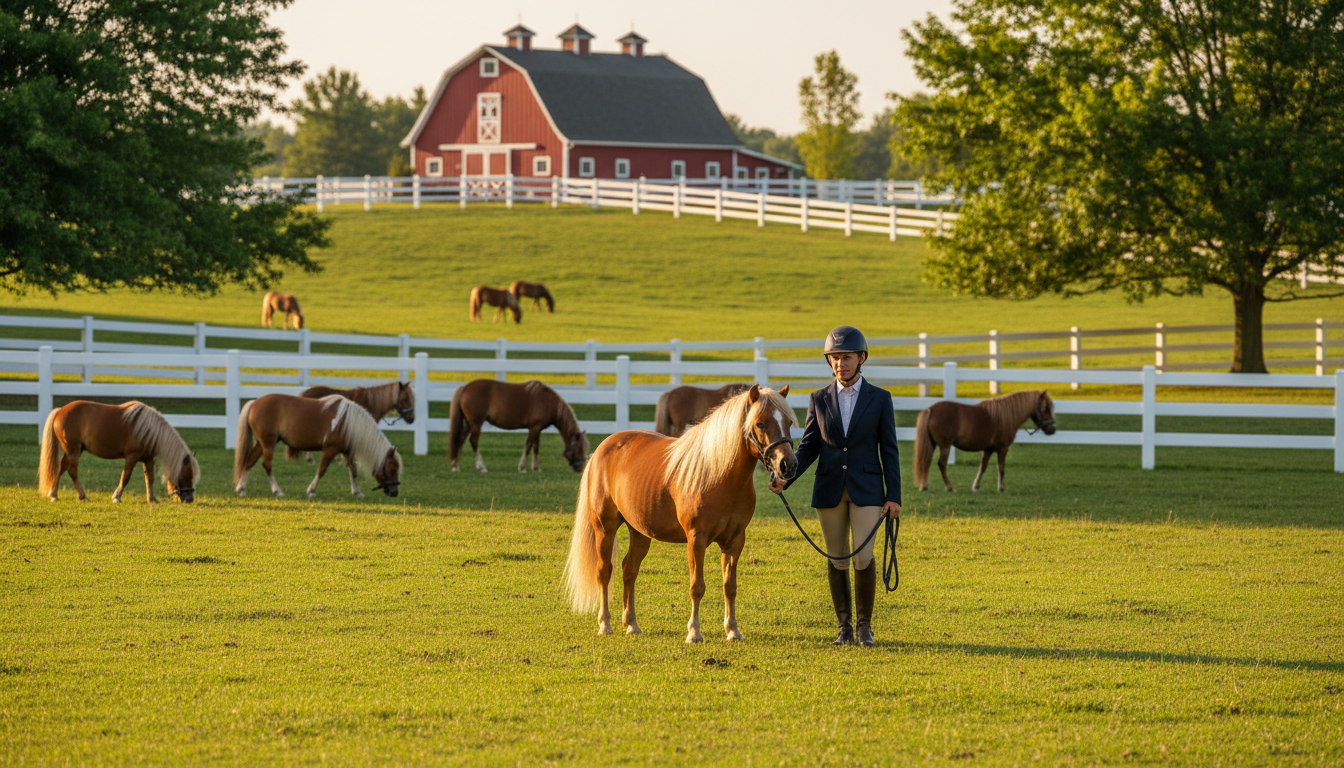
Barn restoration is a rewarding endeavor that combines historic preservation with functional improvement. In Western Canada, where barns are a significant part of the rural landscape, restoring these structures can breathe new life into old farms and properties. Whether you're looking to restore a family heirloom or repurpose a barn for modern use, understanding the basics is crucial.
Assessing the Condition of Your Barn
The first step in barn restoration is a thorough assessment of its current condition. Look for structural issues such as damaged beams, foundation problems, or roof leaks. Hiring a professional to conduct a detailed inspection can provide insights into the necessary repairs and help you prioritize tasks.
It's also essential to determine the historical value of your barn. Older barns may have unique architectural features that you’ll want to preserve. Document these elements before beginning any work to ensure they are retained during the restoration process.
Planning Your Restoration Project
A successful barn restoration project requires careful planning. Start by setting a clear goal for your restoration. Are you restoring the barn for agricultural purposes, or are you converting it into a living space? Your end goal will guide the entire process.

Next, create a detailed plan that outlines the scope of work, timeline, and budget. Be prepared for unexpected costs, as older structures often reveal hidden issues once work begins. Consulting with restoration experts can help you develop a realistic plan and avoid common pitfalls.
Choosing the Right Materials
Material selection is a critical aspect of barn restoration. Using authentic materials that match the original construction helps maintain the barn's historical integrity. Salvaged wood, traditional hardware, and period-appropriate finishes can enhance the authenticity of your project.
In some cases, modern materials may be necessary to ensure safety and longevity. Balancing historical accuracy with modern requirements is key to a successful restoration.
Executing the Restoration
With a plan in place, it's time to begin the restoration. Start with structural repairs, such as reinforcing beams or repairing the foundation. These are crucial for ensuring the barn's stability and should be prioritized.
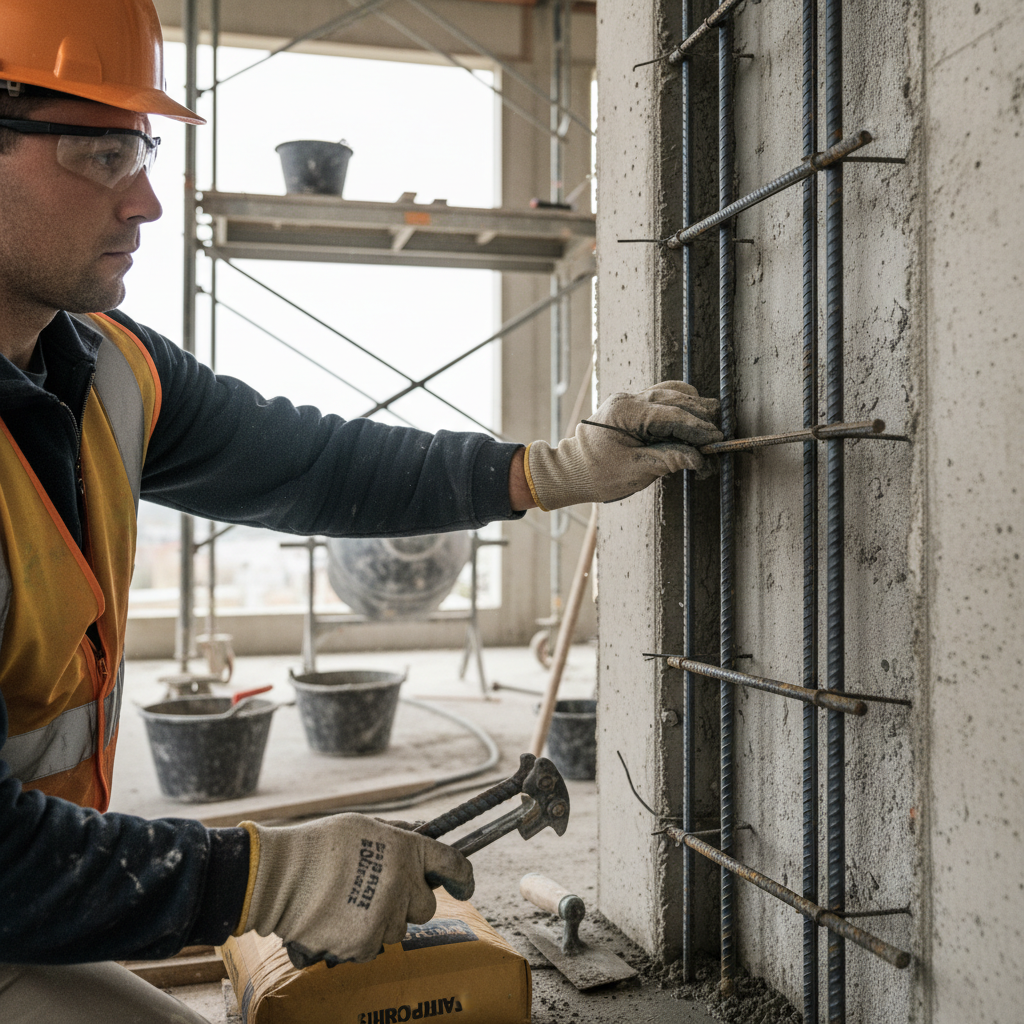
- Roof and Siding: Repairing or replacing the roof and siding protects the barn from the elements and prevents further deterioration.
- Windows and Doors: Restoring or replacing these elements can enhance both the functionality and appearance of the barn.
Finishing Touches
Once structural repairs are complete, focus on the finishing touches. This includes painting, adding fixtures, and landscaping around the barn. These elements can significantly impact the overall aesthetic and functionality of your restored barn.
Consider incorporating modern amenities if you plan to use the barn for non-agricultural purposes. Heating, plumbing, and electrical systems can transform an old barn into a comfortable and versatile space.
Conclusion
Barn restoration in Western Canada is a journey that combines history with craftsmanship. By understanding the process, planning carefully, and respecting the barn's original character, you can create a space that honors the past while serving modern needs. Whether for personal or commercial use, a restored barn can be a stunning addition to any property.