Affordable Historic Building Restorations in Western Canada: A Comprehensive Guide


Restoring historic buildings in Western Canada can be a fulfilling endeavor, preserving architectural beauty and cultural heritage. However, many hesitate due to the perceived high costs. This guide aims to demonstrate that restoring these treasures can be affordable and accessible.
Understanding the Importance of Historic Restoration
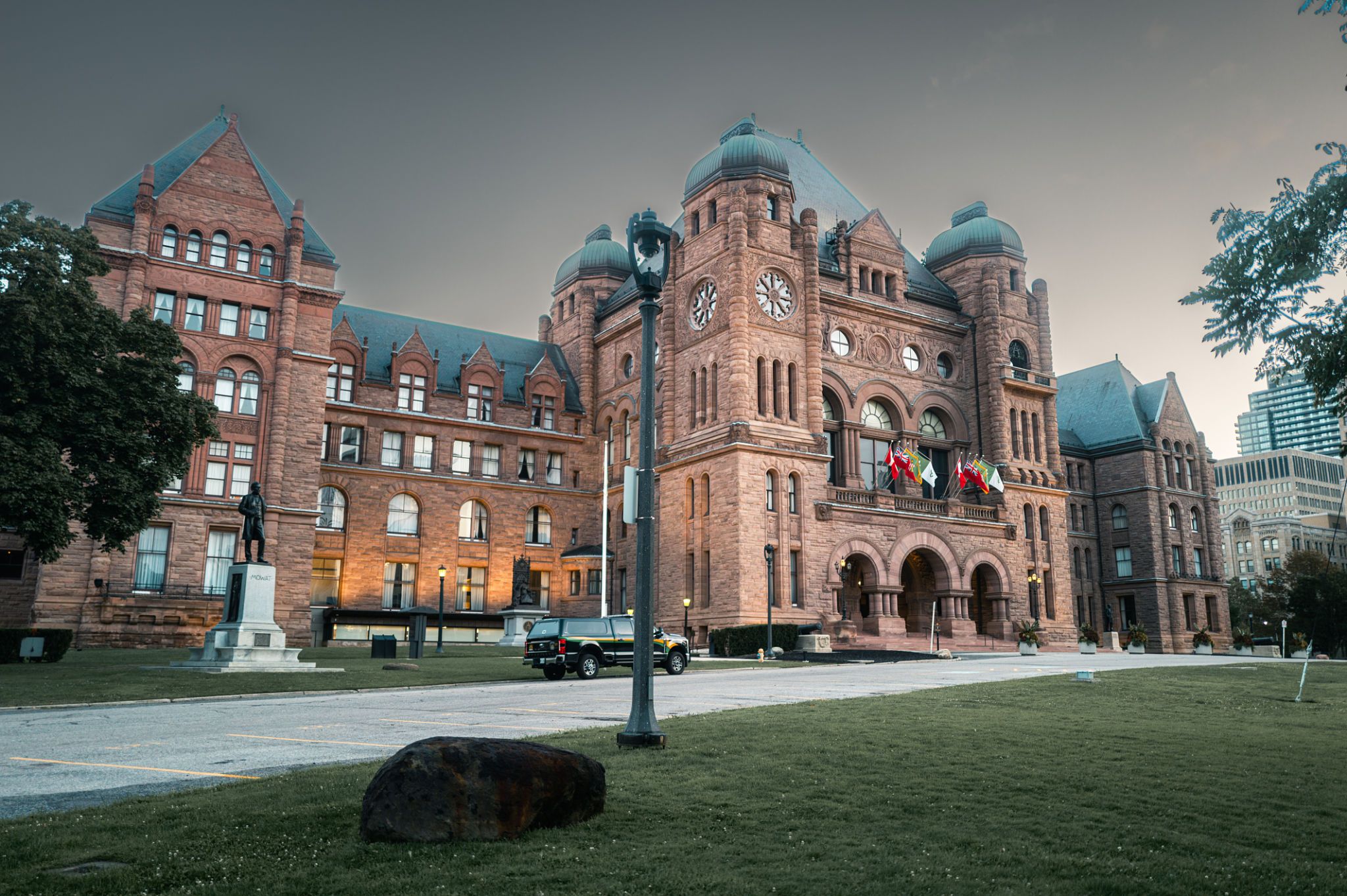
Historic buildings are more than just structures; they are a window into the past. Preserving them helps maintain cultural identity and can significantly boost local tourism and economy. By restoring these buildings, you contribute to community pride and historical continuity.
Planning Your Restoration Project
Assessing the Building
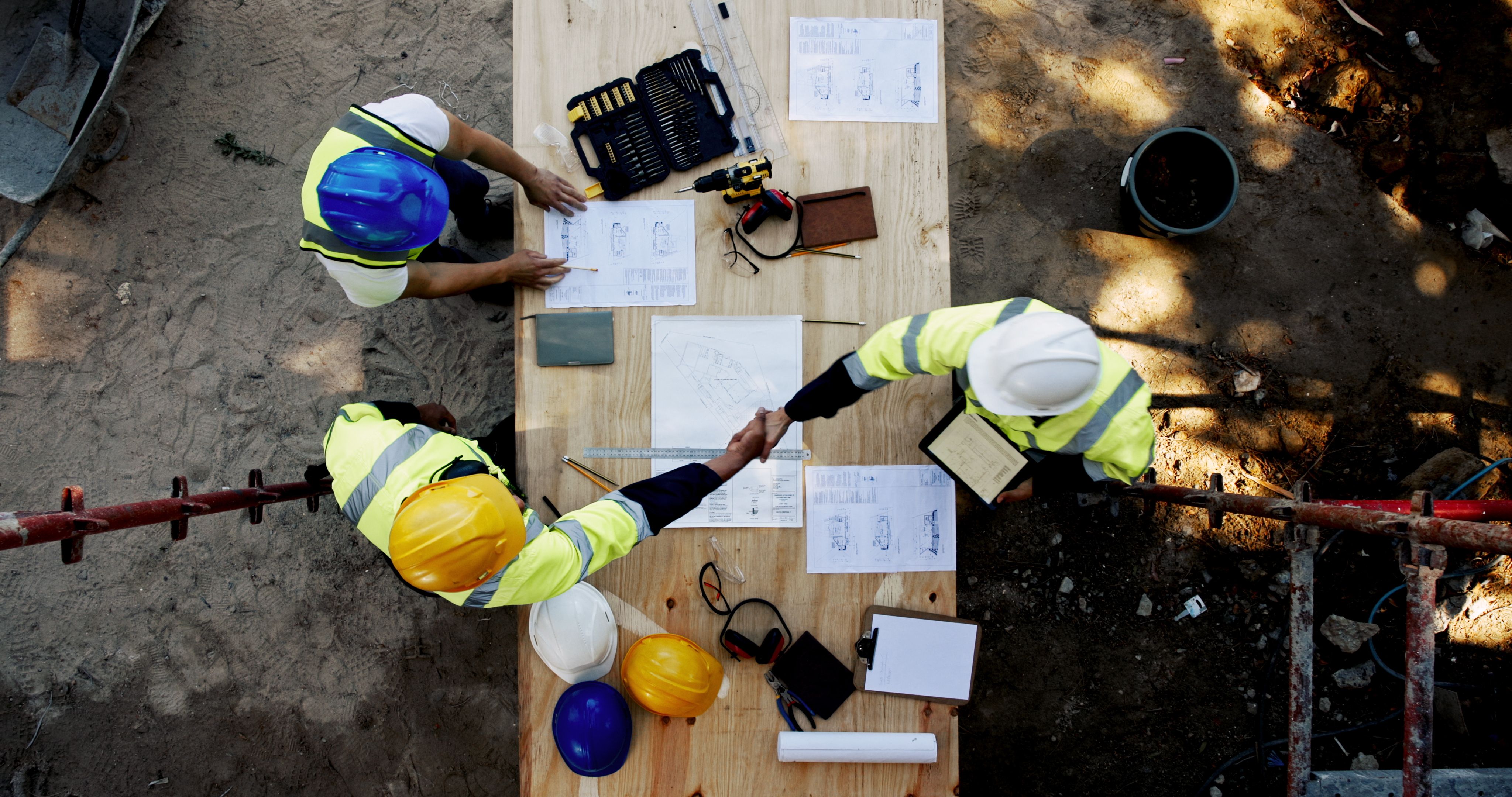
The first step in any restoration project is a thorough assessment. Engage with structural engineers and historians to determine the building's condition and historical significance. This will help prioritize tasks and allocate your budget efficiently.
Setting a Budget
Developing a realistic budget is crucial. Consider all aspects such as materials, labor, and permits. Research grants and subsidies available to support heritage conservation efforts. Often, local governments and organizations offer financial assistance for these projects.
Choosing Affordable Materials
Opt for cost-effective materials that match the original structure. Reclaimed materials can be an excellent choice, providing authenticity at a lower cost. Additionally, consult with suppliers who specialize in historic restoration to find suitable alternatives.
Working with Skilled Professionals
Hiring experienced craftsmen is essential to maintain the building’s historical integrity. Look for local artisans who understand the nuances of historic architecture. Their expertise can prevent costly mistakes and ensure a high-quality restoration.

Leveraging Community Support
Engage with the community and local heritage organizations. They can offer invaluable support, from volunteering labor to fundraising. Community involvement not only reduces costs but also fosters a sense of ownership and pride in the project.
Advocacy and Education
Raise awareness about the importance of historic restoration through workshops and social media. Educating the public can generate interest and attract additional resources, making your project more sustainable.
In conclusion, while historic building restoration in Western Canada might seem daunting, it is achievable with careful planning and resourceful strategies. By leveraging community support and selecting cost-effective solutions, you can preserve these architectural gems for future generations.