Affordable Historic Building Restorations in Western Canada: What You Need to Know


Understanding Historic Building Restorations
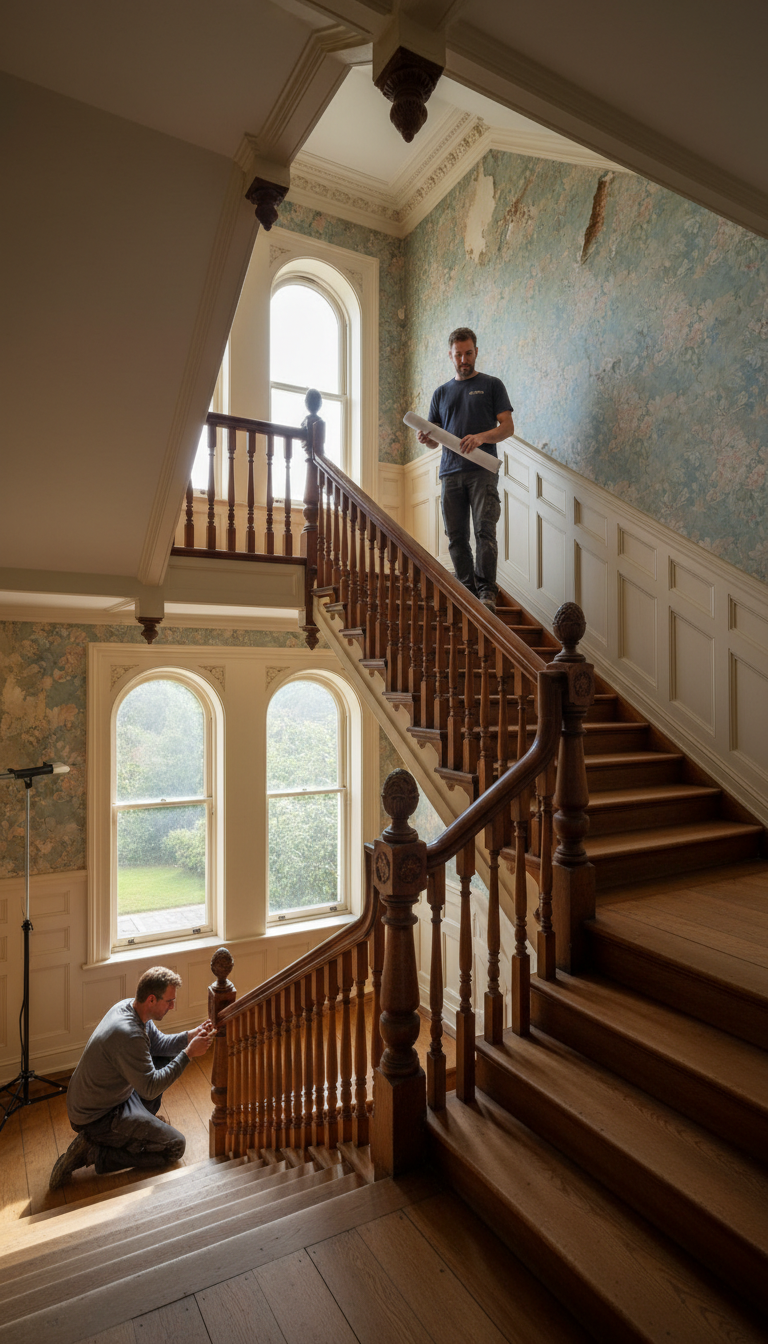
Restoring historic buildings is a delicate and rewarding endeavor, especially in Western Canada where heritage structures abound. These projects not only preserve the architectural beauty of the past but also contribute to cultural heritage. However, the challenge lies in achieving this preservation affordably.

The Importance of Historic Preservation
Preserving historic buildings is crucial for maintaining the cultural identity of a region. Western Canada boasts a rich history reflected in its architecture. By restoring these buildings, we honor the past and provide future generations with a tangible link to history.
Restorations also boost local economies. Restored buildings can attract tourists, provide spaces for businesses, and enhance community pride. These benefits make the investment in restoration worthwhile.
Cost-Effective Strategies for Restoration
Finding affordable solutions is key to successful restorations. Here are some strategies to consider:
- Research Grants and Funding: Numerous grants are available for heritage projects. Explore federal, provincial, and local funding options.
- Use Local Materials: Sourcing materials locally can reduce costs and maintain authenticity.
- Phased Restoration: Break the project into phases to spread costs over time.

Selecting the Right Professionals
Hiring experienced professionals is critical to the success of any restoration project. Look for contractors and architects who specialize in historic buildings. Their expertise ensures that the integrity and authenticity of the building are maintained.
Request portfolios and references to evaluate their previous work. A knowledgeable team can navigate the complexities of restoration, ensuring compliance with regulations and preserving historical accuracy.
Navigating Regulatory Requirements
Restoring historical buildings often involves adhering to strict regulations. Understanding local heritage laws and building codes is essential. This may include specific guidelines on materials, construction methods, and architectural details.
Consult with local heritage organizations and government bodies early in the planning process. They can provide guidance and ensure your project aligns with legal requirements, avoiding costly mistakes.
Community Involvement and Support
Engaging the community can be a valuable aspect of historic restoration. Community support can lead to additional funding and resources. Consider hosting events or workshops to raise awareness and involve local residents in the restoration process.
Partnering with local historical societies or cultural organizations can also provide valuable insights and support, enriching the restoration project.
Conclusion: A Rewarding Endeavor
Restoring historic buildings in Western Canada is both a challenge and an opportunity. By employing cost-effective strategies, selecting the right professionals, and understanding regulatory requirements, you can preserve these treasures affordably. Such projects not only enhance the beauty of our communities but also strengthen their cultural fabric.