Avoiding Common Mistakes in Historic Barn Restoration


Understanding the Historic Value
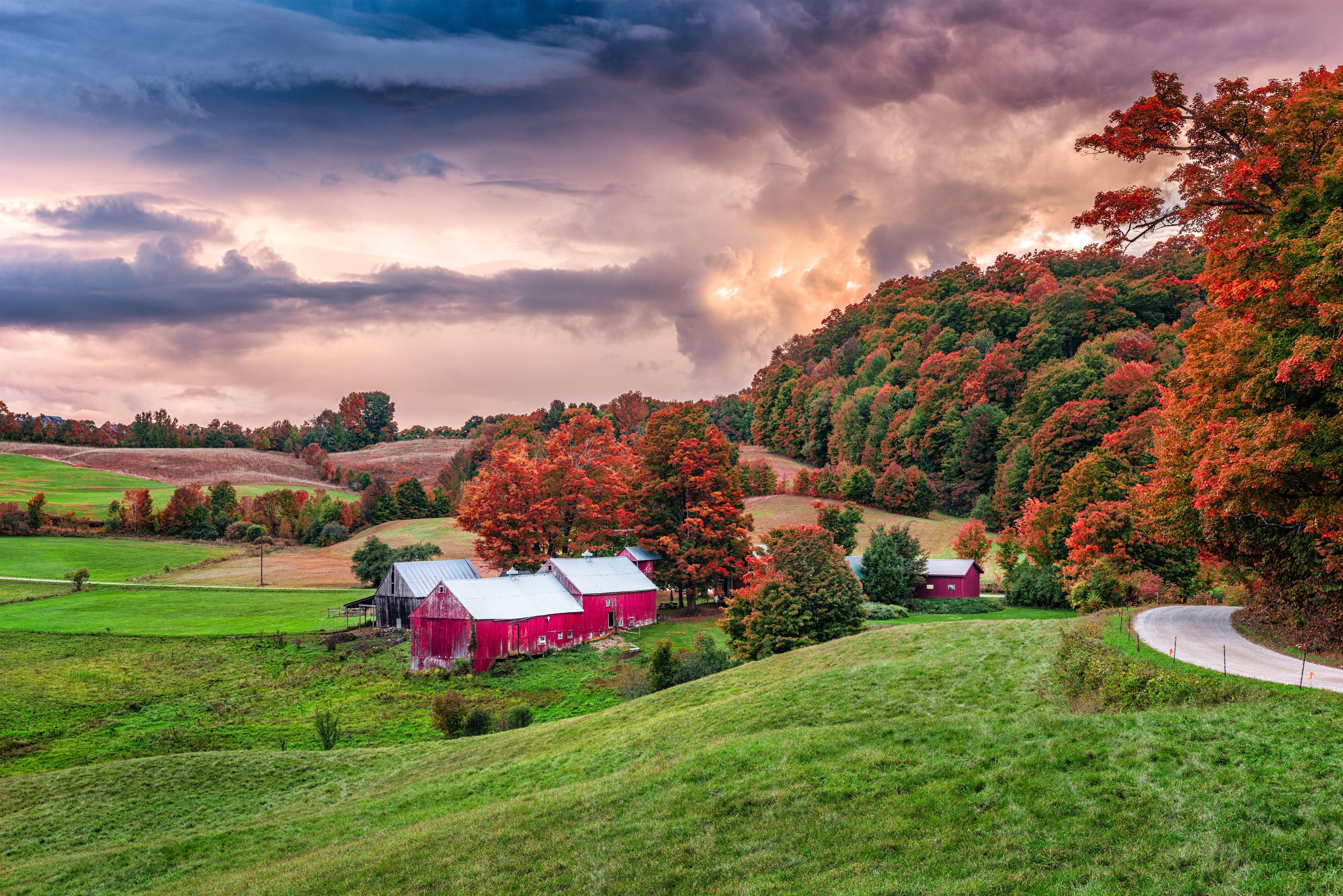
Restoring a historic barn is a rewarding project that not only preserves a piece of history but also revitalizes an architectural treasure. However, it's crucial to understand the historic value of the barn before beginning any restoration. This means researching the barn's history, original purpose, and any unique architectural features. Knowing these details helps guide decisions throughout the restoration process.
Respecting Original Materials
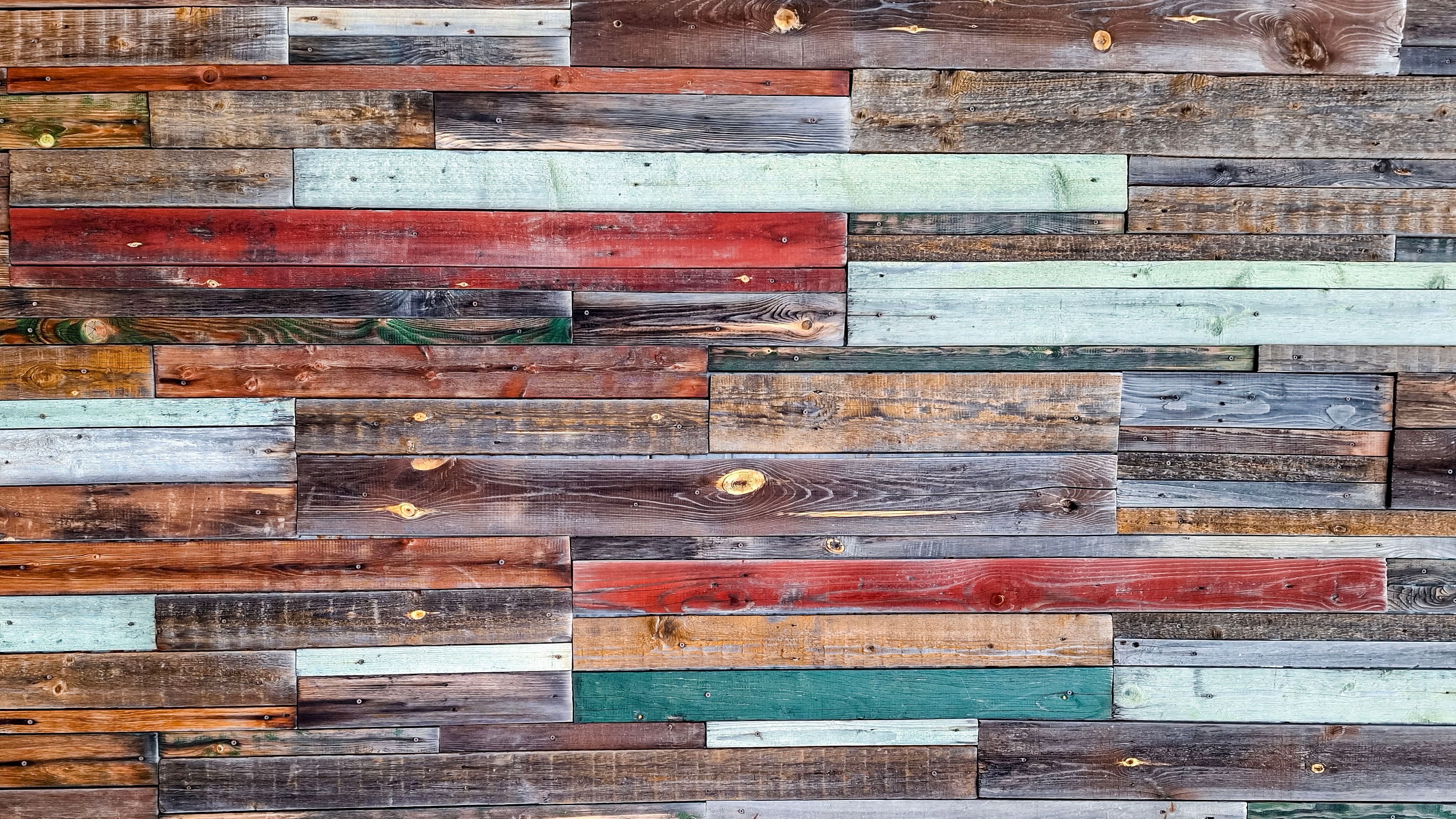
One of the most common mistakes in barn restoration is replacing original materials with modern alternatives. While it might be tempting to use new materials for convenience or cost, doing so can strip the barn of its historical integrity. Instead, aim to repair and restore existing materials wherever possible. If replacement is necessary, use materials that match the original as closely as possible.
Ensuring Structural Integrity
Before diving into aesthetic improvements, prioritize the barn’s structural integrity. This involves assessing and repairing the foundation, support beams, and roof. Ensuring these elements are sound not only preserves the barn but also ensures safety for future use. Hiring a structural engineer with experience in historic buildings can provide invaluable insights and recommendations.

Adhering to Local Regulations
Historic barns may be subject to local preservation laws and regulations. It's essential to check with local authorities to understand any restrictions or requirements. Failure to comply with these regulations can result in fines or even the reversal of completed work. Engaging with local preservation societies can also provide guidance and support throughout the restoration process.
Preserving Unique Features
Every historic barn has unique features that contribute to its character and charm, whether it’s a distinctive cupola, original hardware, or hand-hewn timbers. During restoration, take care to preserve these elements, as they add significant historical and aesthetic value. Documenting these features before beginning work ensures they are not inadvertently altered or removed.
Balancing Modern Use with Historic Preservation
Many restored barns are repurposed for modern use, such as event spaces or homes. Balancing modern functionality with historic preservation requires thoughtful planning. Consider how modern amenities can be integrated without compromising historical features. Consulting with architects who specialize in adaptive reuse can help achieve this balance.
Creating a Detailed Restoration Plan
Creating a comprehensive restoration plan is crucial for avoiding common mistakes. This plan should outline all steps of the project, from initial assessments to final finishes. By having a clear roadmap, you can ensure that each stage of the restoration process respects the barn’s historical integrity while meeting modern needs.

Engaging Skilled Craftsmen
Historic barn restoration often requires specialized skills that modern construction workers may not possess. Engaging craftsmen experienced in traditional building techniques ensures that restoration work is performed to the highest standard. These experts can provide insights into proper techniques and materials, enhancing the overall quality of the project.
By avoiding these common mistakes, you can ensure that your historic barn restoration project not only preserves a valuable piece of history but also creates a functional and beautiful space for future generations to enjoy.