Common Misconceptions About Historic Building Restorations in Western Canada


Understanding Historic Building Restorations
Historic building restorations in Western Canada can be a complex process, often misunderstood by the general public. While it may seem like a straightforward task, restoring these architectural treasures involves intricate planning and execution. Let's delve into some common misconceptions surrounding this fascinating field.
Myth 1: Restorations Are Just Cosmetic
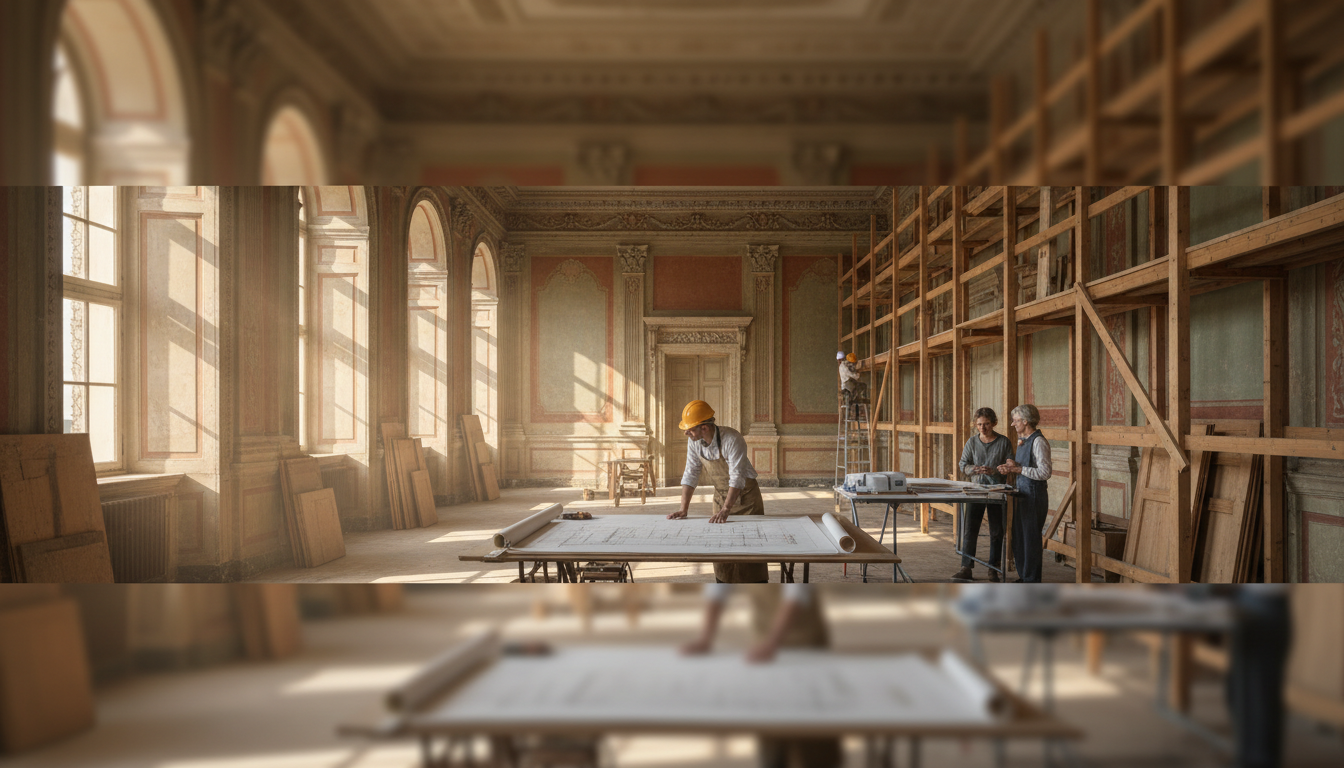
Many people believe that restoring a historic building is akin to giving it a fresh coat of paint. However, restorations go far beyond aesthetics. They involve structural assessments, material conservation, and often modernizing facilities to meet current safety standards. The goal is to preserve the historical integrity while ensuring the building is safe and functional for future use.
It's essential to understand that these projects are about maintaining the building's original features, from intricate woodwork to unique masonry. This requires specialized skills and knowledge that only experienced professionals can provide.
Myth 2: Any Contractor Can Handle Restorations
Another common misconception is that any contractor can undertake historic building restorations. In reality, these projects demand expertise in historical architecture and conservation techniques. It's crucial to work with professionals who have a deep understanding of the historical context and the materials used in the original construction.
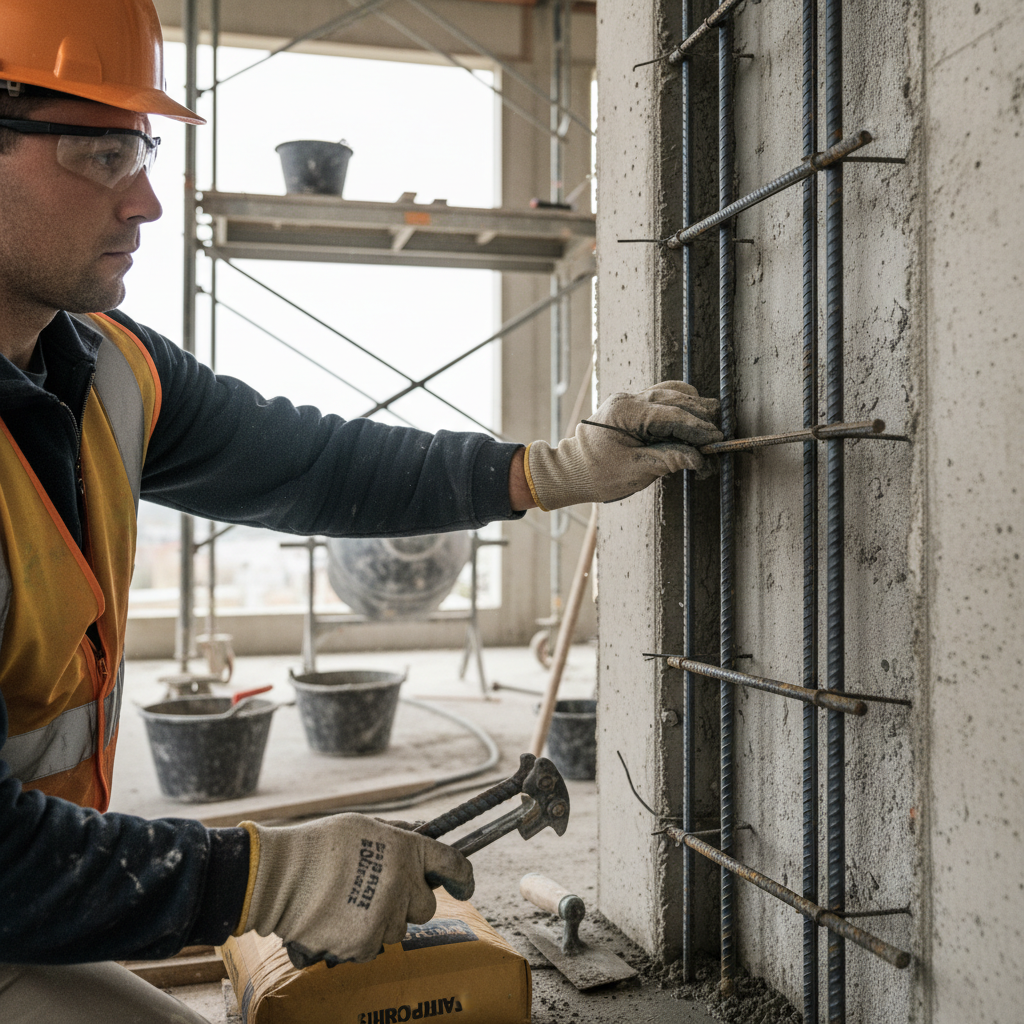
Choosing the wrong contractor can lead to irreversible damage. Therefore, it's vital to research and select a team with a proven track record in successful restorations.
Myth 3: Restorations Are Too Expensive
While it's true that historic restorations can be costly, this isn't always the case. The expense largely depends on the building's condition and the extent of the work required. Importantly, these projects often qualify for grants and financial incentives aimed at preserving cultural heritage.
- Government grants for heritage preservation
- Tax incentives for restoration projects
- Community fundraising efforts
Investing in restorations not only preserves history but can also revitalize communities and boost local economies by attracting tourism and new business opportunities.

Myth 4: Restorations Don’t Consider Modern Needs
Some people think that restoring a historic building means freezing it in time, without regard for modern needs. In truth, successful restorations strike a balance between preserving historical elements and incorporating contemporary amenities. This may include installing modern heating, ventilation, and air conditioning systems, or ensuring accessibility for all individuals.
By blending the old with the new, restored buildings can serve practical purposes, accommodating modern businesses, residences, or community spaces while maintaining their historical charm.
Conclusion
Understanding these common misconceptions can provide a clearer picture of what historic building restorations entail. It's a meticulous process that requires passion, expertise, and a deep respect for history. As Western Canada continues to value and preserve its architectural heritage, these efforts will ensure that future generations can enjoy and learn from these significant landmarks.