Comparing Traditional vs. Modern Restoration Techniques for Historic Barns


Understanding Traditional Restoration Techniques
Traditional restoration techniques for historic barns focus on maintaining the authenticity and original craftsmanship of the structure. These methods often involve using materials and tools that were available during the barn's original construction period. Skilled artisans play a crucial role in preserving the historic value by replicating old-world craftsmanship.
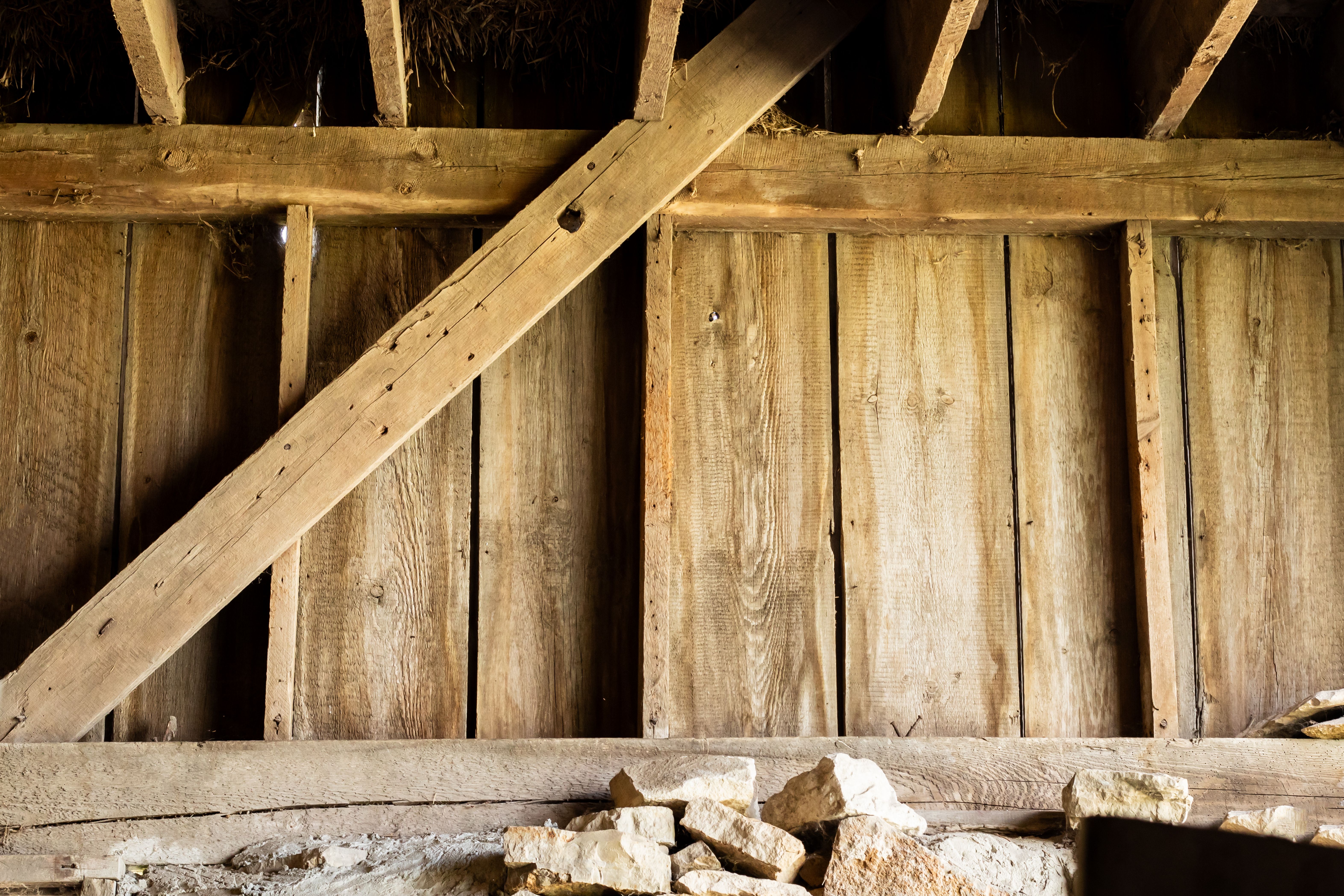
Some common traditional techniques include timber framing, where original wooden beams are repaired or replaced with similarly aged wood. This method requires a deep understanding of historical construction practices and a commitment to preserving the barn's original charm.
The Benefits of Traditional Techniques
Traditional restoration techniques offer several benefits. First, they maintain the historical integrity of the barn, ensuring that its cultural and architectural significance is preserved for future generations. These methods also tend to use sustainable materials, which can be more environmentally friendly.
Additionally, by employing traditional techniques, owners can often qualify for certain grants or tax incentives aimed at preserving historic structures. This financial support can be a significant advantage in undertaking such restoration projects.
Exploring Modern Restoration Techniques
Modern restoration techniques, on the other hand, embrace new technologies and materials to ensure the longevity and functionality of historic barns. These methods often prioritize efficiency, durability, and cost-effectiveness, making them appealing to many barn owners.
One popular modern technique is the use of advanced composite materials for structural reinforcement. These materials provide a lightweight yet strong alternative to traditional wood, helping to prevent future deterioration while maintaining the barn's aesthetic appeal.
The Advantages of Modern Techniques
Modern restoration techniques provide several advantages, particularly in terms of durability and maintenance. By using cutting-edge materials and methods, these techniques can extend the lifespan of a historic barn and reduce ongoing maintenance costs.
Additionally, modern techniques may offer more flexibility in design, allowing for updates that can accommodate contemporary usage needs, such as converting a barn into a living space or event venue. This adaptability can be a significant advantage in making the barn more functional and economically viable.
Balancing Tradition and Modernity
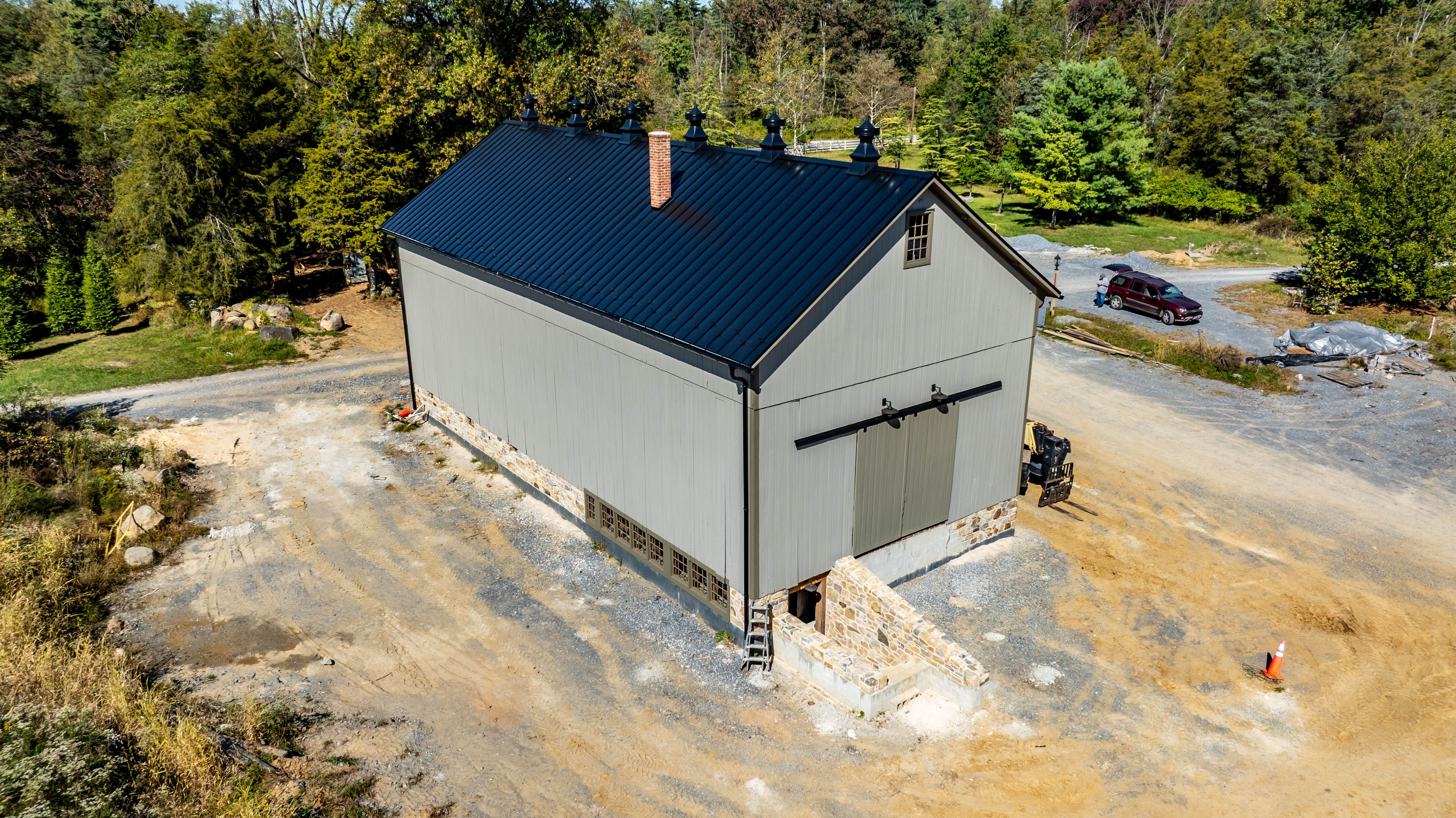
Many restoration projects now aim to strike a balance between traditional and modern techniques. By combining the authenticity of traditional methods with the efficiency of modern technologies, barn owners can achieve a restoration that honors history while embracing the future.
This balanced approach can involve using traditional materials for visible elements while employing modern techniques for structural components. Such a strategy ensures that the barn remains both historically significant and structurally sound.
Choosing the Right Approach
When deciding between traditional and modern restoration techniques, several factors should be considered. These include the barn's historical significance, the owner's budget, and the intended use of the structure. Consulting with restoration experts can provide valuable insights to help make an informed decision.
Ultimately, the choice between traditional and modern restoration techniques will depend on individual priorities and the specific needs of the barn. By carefully considering these factors, owners can ensure a successful restoration that respects the past while preparing for the future.