Dispelling Myths: What You Really Need to Know About Barn Restoration


Understanding the Basics of Barn Restoration
Barn restoration is an exciting venture for those who appreciate history and architecture. However, it’s often surrounded by myths that discourage potential restorers. Let’s explore what you really need to know.
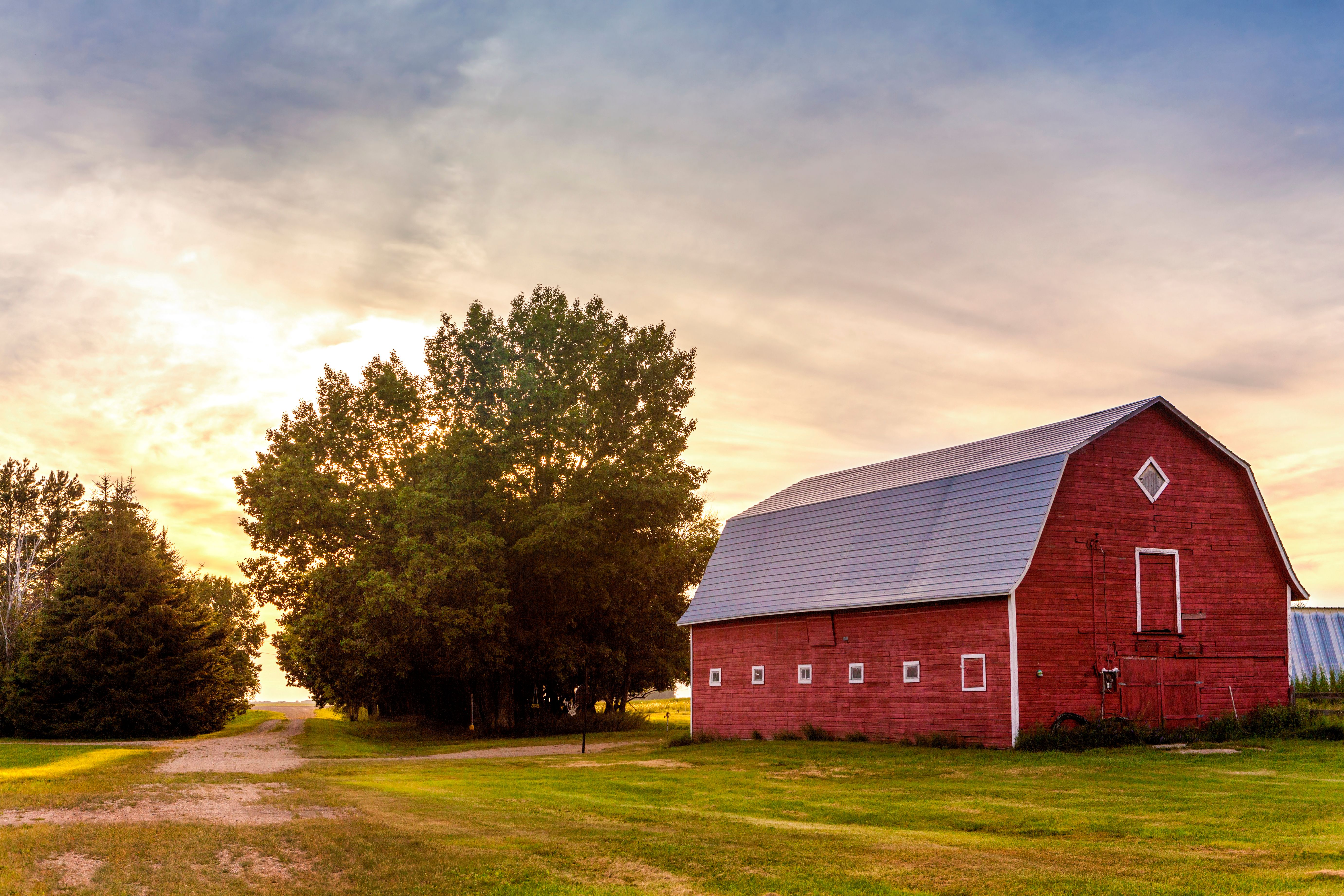
Myth 1: Barns Are Beyond Repair
Many believe that old barns are too dilapidated to restore. In reality, most barns are structurally sound, thanks to the sturdy materials used in their original construction. With the right expertise, even seemingly decrepit barns can regain their former glory.
Professional assessments can help identify which parts of the barn need the most attention, often revealing that much of the original structure can be preserved. Engaging an experienced restoration specialist is crucial to ensure the building's integrity.
Myth 2: Restoration Costs Are Prohibitive
While barn restoration can be costly, it doesn’t have to break the bank. Costs vary based on the barn’s condition and the desired outcome. Here are some tips to manage expenses:
- Reuse original materials whenever possible.
- Focus on structural repairs first, then cosmetic improvements.
- Seek out local grants and financial aid for historical restorations.

Myth 3: Restored Barns Are Not Functional
Another common misconception is that restored barns cannot serve modern purposes. On the contrary, many barns are transformed into functional spaces such as homes, event venues, or workshops. The key is to balance historical integrity with modern needs.
Consider installing modern amenities discreetly, ensuring they don’t detract from the barn’s rustic charm. This approach allows for a blend of old-world aesthetics and contemporary comfort.
The Benefits of Barn Restoration
Restoring a barn not only preserves history but also provides a unique space that can increase property value. A well-restored barn can become a stunning focal point, offering both beauty and utility.
Embracing Sustainable Practices
Restoration often involves sustainable practices, such as using reclaimed wood and energy-efficient systems. This not only reduces the environmental impact but also enhances the building’s eco-friendliness.
By choosing sustainable options, you contribute to environmental conservation while maintaining the barn’s historical essence.
Conclusion: Debunking the Myths
Barn restoration is a rewarding endeavor that combines history, architecture, and sustainability. By dispelling these myths, potential restorers can embrace the opportunity to breathe new life into these timeless structures.
If you’re considering a barn restoration project, remember that the right approach can transform an old structure into a functional and beautiful space, preserving its legacy for generations to come.