Eco-Friendly Materials for Barn Restoration: A Sustainable Approach


Introduction to Eco-Friendly Barn Restoration
Restoring a barn with eco-friendly materials not only preserves the historical essence of the structure but also contributes to a sustainable future. With the growing awareness of environmental issues, using sustainable materials in barn restoration has become a popular choice among builders and conservationists.

Benefits of Using Eco-Friendly Materials
One of the primary advantages of eco-friendly materials is their reduced environmental impact. These materials often have a lower carbon footprint, are biodegradable, or are made from recycled content. Additionally, they can improve the energy efficiency of the barn, leading to long-term savings on energy costs.
Moreover, using sustainable materials can enhance the durability of the barn. Many eco-friendly options are designed to withstand harsh weather conditions, providing a longer lifespan compared to traditional materials.
Types of Eco-Friendly Materials for Barn Restoration
Reclaimed Wood
Reclaimed wood is an excellent choice for barn restoration. It brings a rustic charm and is often more durable than new lumber. Sourcing reclaimed wood reduces the demand for new timber, helping to conserve forests.
Bamboo
Bamboo is a fast-growing, renewable resource that is incredibly strong and versatile. It can be used for flooring, walls, and even structural elements in barn restoration projects.

Recycled Metal
Using recycled metal for roofing and siding can significantly lower the environmental impact of a barn restoration. Metals like steel can be recycled multiple times without losing their strength, making them a sustainable choice.
Eco-Friendly Insulation Options
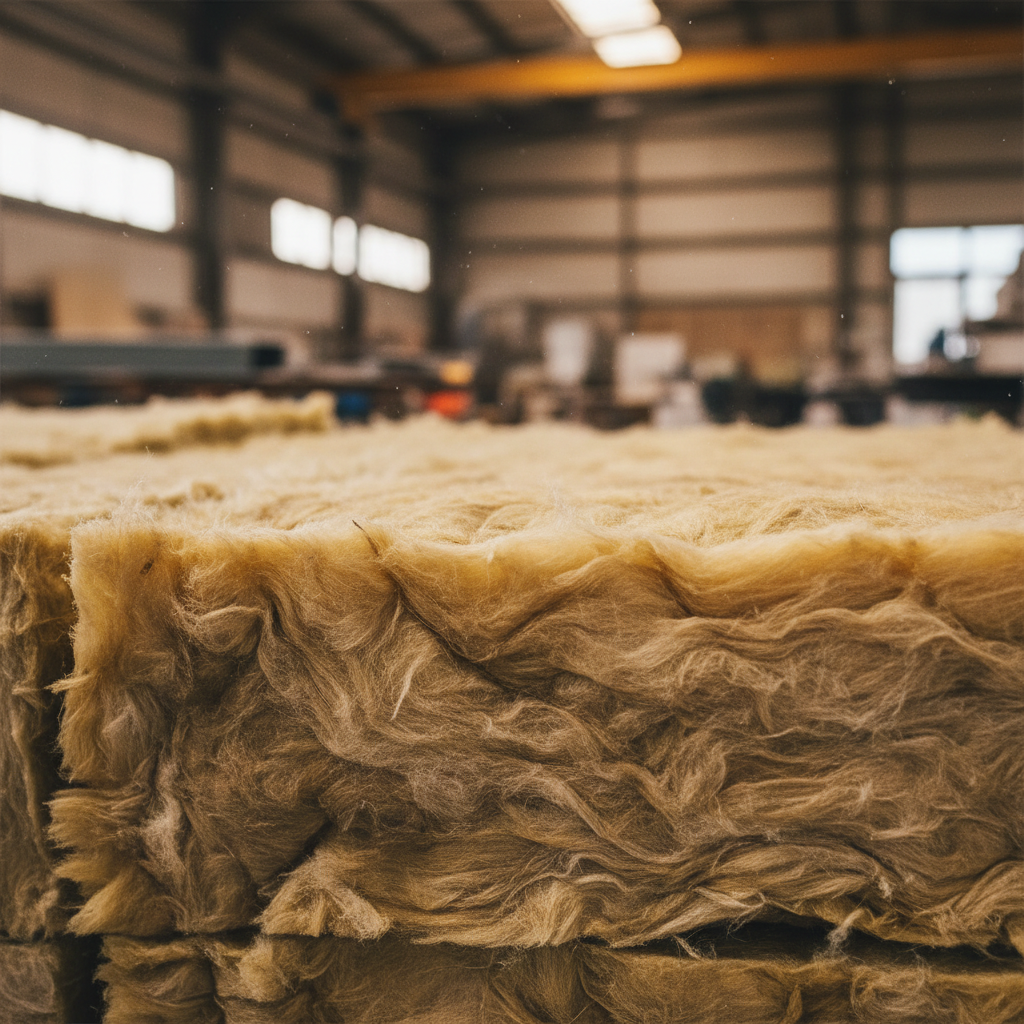
Insulation is crucial for maintaining a comfortable environment inside the barn. Natural insulation materials such as sheep's wool, cotton, and cellulose are effective and have a minimal environmental footprint.
These materials not only provide excellent thermal regulation but also contribute to improved indoor air quality by avoiding the use of harmful chemicals found in conventional insulation products.
Implementing Sustainable Practices
Beyond materials, implementing sustainable practices during the restoration process can further enhance the eco-friendliness of the project. These practices include minimizing waste, using non-toxic finishes, and optimizing energy use during construction.
Engaging with local suppliers and sourcing materials locally can also reduce transportation emissions and support the local economy.
Conclusion: A Greener Future for Barns
Adopting eco-friendly materials and practices in barn restoration is a meaningful step towards sustainability. It not only preserves the heritage and functionality of these iconic structures but also ensures that they remain a part of the landscape for generations to come. By making conscious choices, barn owners and restorers can play an important role in promoting environmental stewardship.