Modern Techniques in Traditional Barn Repairs: A Comprehensive Guide


Introduction to Barn Repair
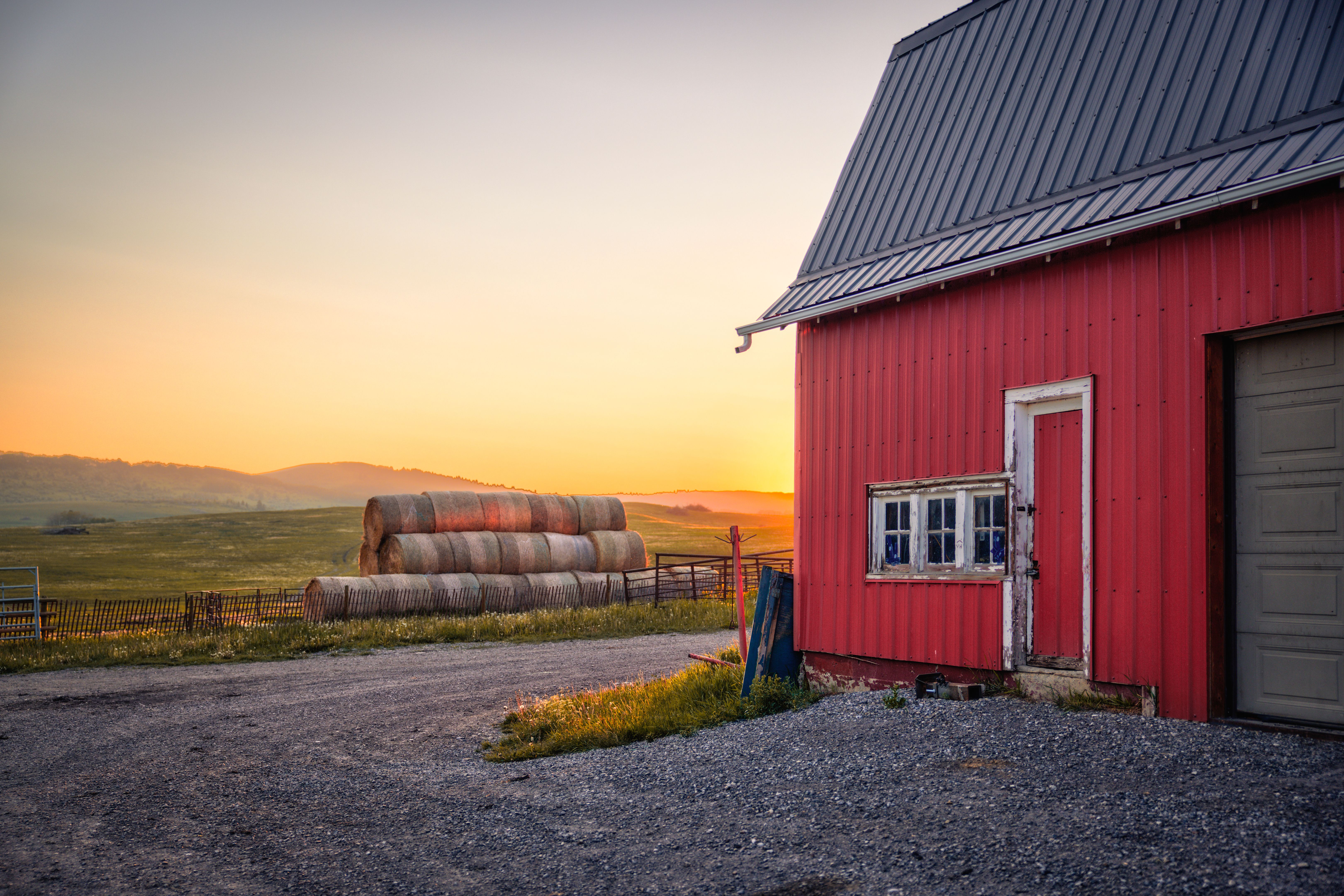
Restoring traditional barns is an art that combines preserving historical charm with modern efficiency. As these structures age, maintaining their integrity becomes essential. This guide explores modern techniques that ensure these timeless buildings remain functional and beautiful.
Assessing Structural Integrity
Before starting any repairs, it's crucial to assess the barn's current condition. Look for signs of wear and tear, such as rotting wood, foundation cracks, or damaged roofing. Engaging a structural engineer can provide a detailed evaluation, ensuring that you address all critical areas.
Using Technology in Assessments
Modern technology offers tools like drones and thermal imaging to inspect hard-to-reach areas. These technologies provide detailed insights into the barn's condition without invasive measures, helping prioritize repair efforts efficiently.
Incorporating Modern Materials
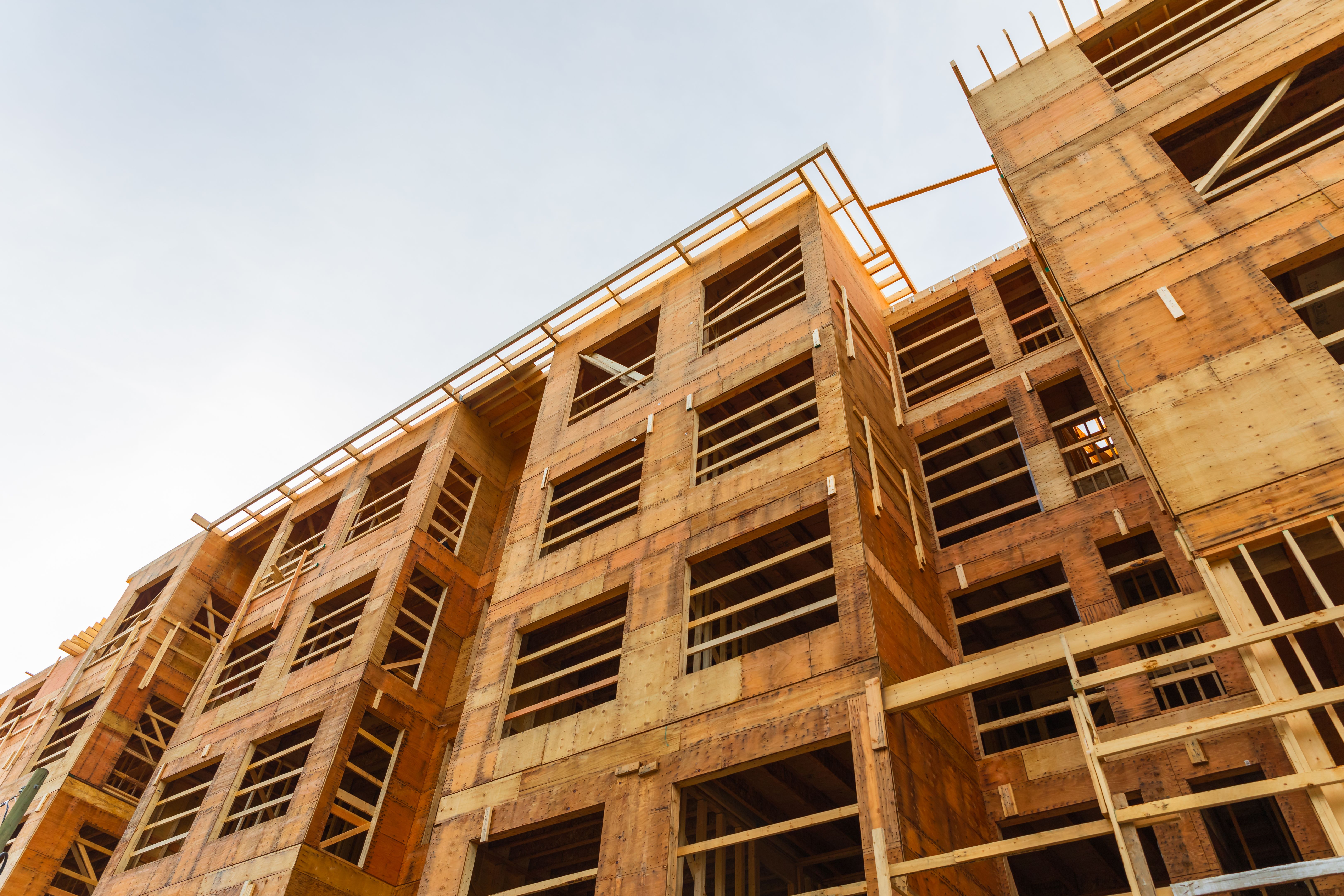
While traditional materials have their charm, modern alternatives can offer enhanced durability and sustainability. For instance, replacing old wooden beams with treated timber can prevent future decay while maintaining aesthetic appeal.
Eco-Friendly Options
Consider sustainable materials such as reclaimed wood or recycled metal. These not only reduce environmental impact but also often come with unique textures and histories that add character to the barn.
Advanced Repair Techniques
Modern techniques, such as epoxy injection and helical piers, offer innovative solutions for repairing structural damage. Epoxy can fill and stabilize cracks, while helical piers provide strong support for shifting foundations, ensuring longevity.
Preserving Aesthetic Value
While employing advanced techniques, it's vital to preserve the barn's historical aesthetic. Carefully matching materials and finishes can ensure repairs blend seamlessly with the original structure, maintaining its heritage.

Updating for Modern Use
Adapting barns for modern use, such as event spaces or workshops, requires careful planning. Enhancing insulation, installing energy-efficient lighting, and upgrading electrical systems are steps that can transform a barn for contemporary needs.
Balancing Tradition with Innovation
Striking a balance between maintaining traditional elements and implementing modern conveniences is key. Thoughtful integration of modern amenities can enhance functionality without compromising the barn's original charm.
- Assess structural integrity with modern tools.
- Incorporate sustainable materials for repairs.
- Use advanced techniques for structural damage.
- Ensure modern updates complement traditional aesthetics.
In conclusion, repairing traditional barns with modern techniques requires a blend of historical appreciation and innovative solutions. By using advanced materials and methods, these beloved structures can continue to serve their communities for generations to come.