Preparing Your Barn for Winter: A Seasonal Checklist


Assessing the Structure
As the cold months approach, ensuring your barn is ready for winter is crucial for the safety and comfort of your animals. Start by inspecting the structure of your barn. Look for any signs of damage or wear, such as leaks in the roof or cracks in the walls. Addressing these issues early can prevent more significant problems when the snow and ice arrive.
Check Doors and Windows
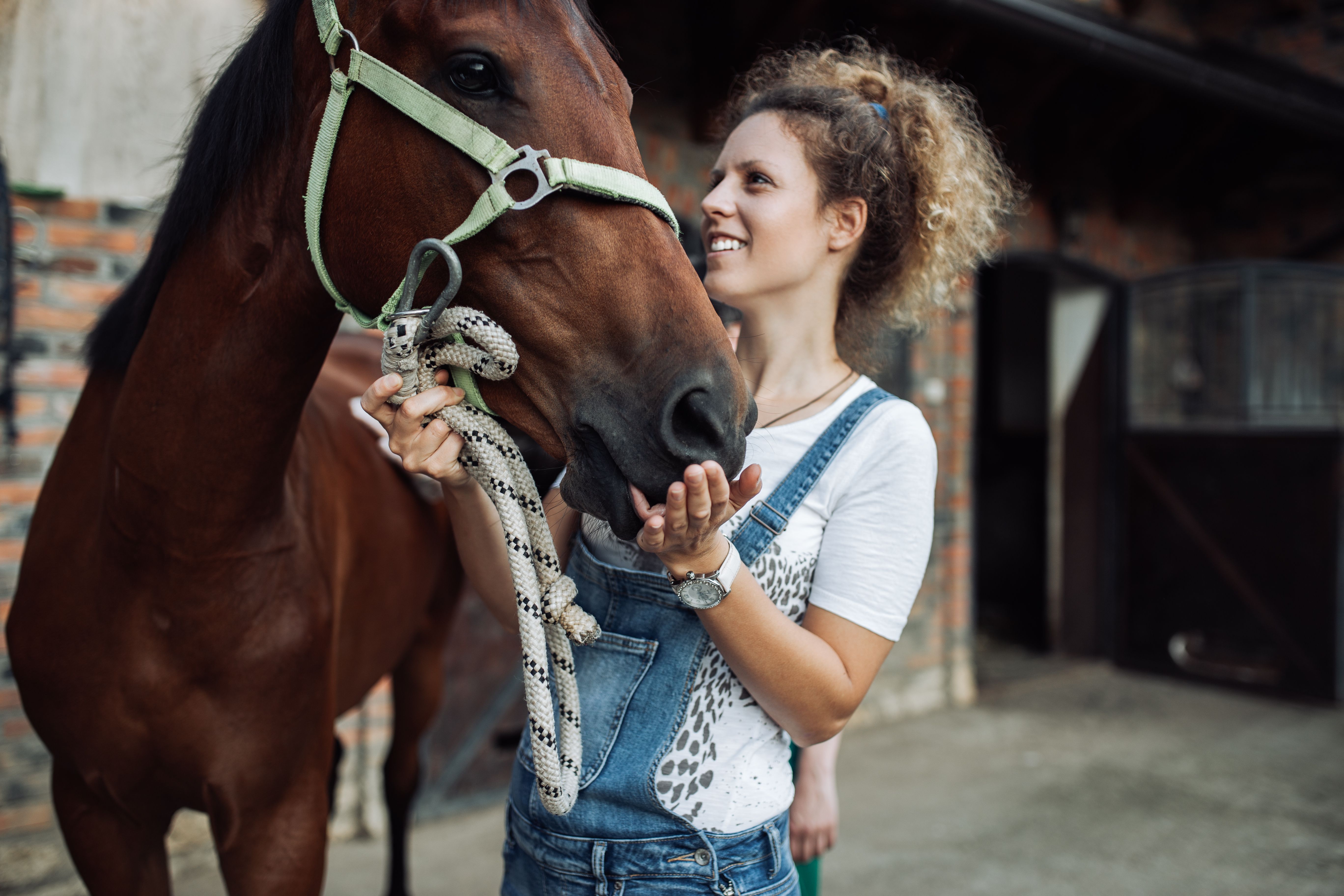
Next, examine all doors and windows for proper sealing. Drafts can significantly lower the temperature inside, making it uncomfortable for your livestock. Replace any worn weatherstripping and ensure all closures are tight. This simple step can improve heat retention and reduce energy costs.
Maintaining the Interior
Inside the barn, focus on cleanliness and organization. Remove any clutter or debris that could become a hazard. Clean out stalls and replenish bedding with fresh, dry materials. This not only provides comfort but also helps prevent respiratory issues caused by dust and dampness.
Ensure Proper Ventilation
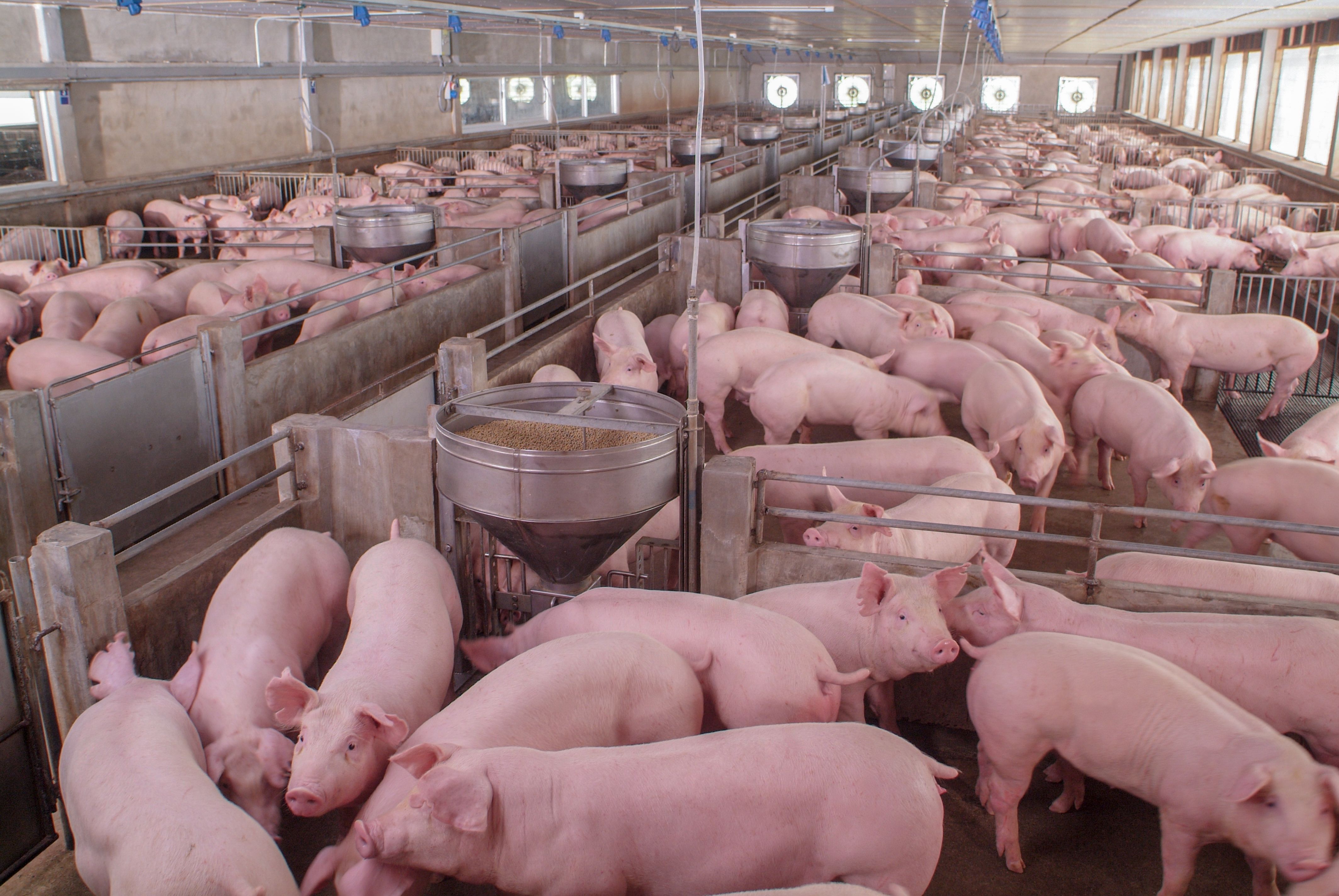
While sealing the barn is important, maintaining adequate ventilation is equally crucial. Proper airflow prevents moisture buildup, which can lead to mold and mildew. Check that all vents are clear and functioning correctly. Consider installing fans or ventilation systems if necessary.
Preparing Livestock and Supplies
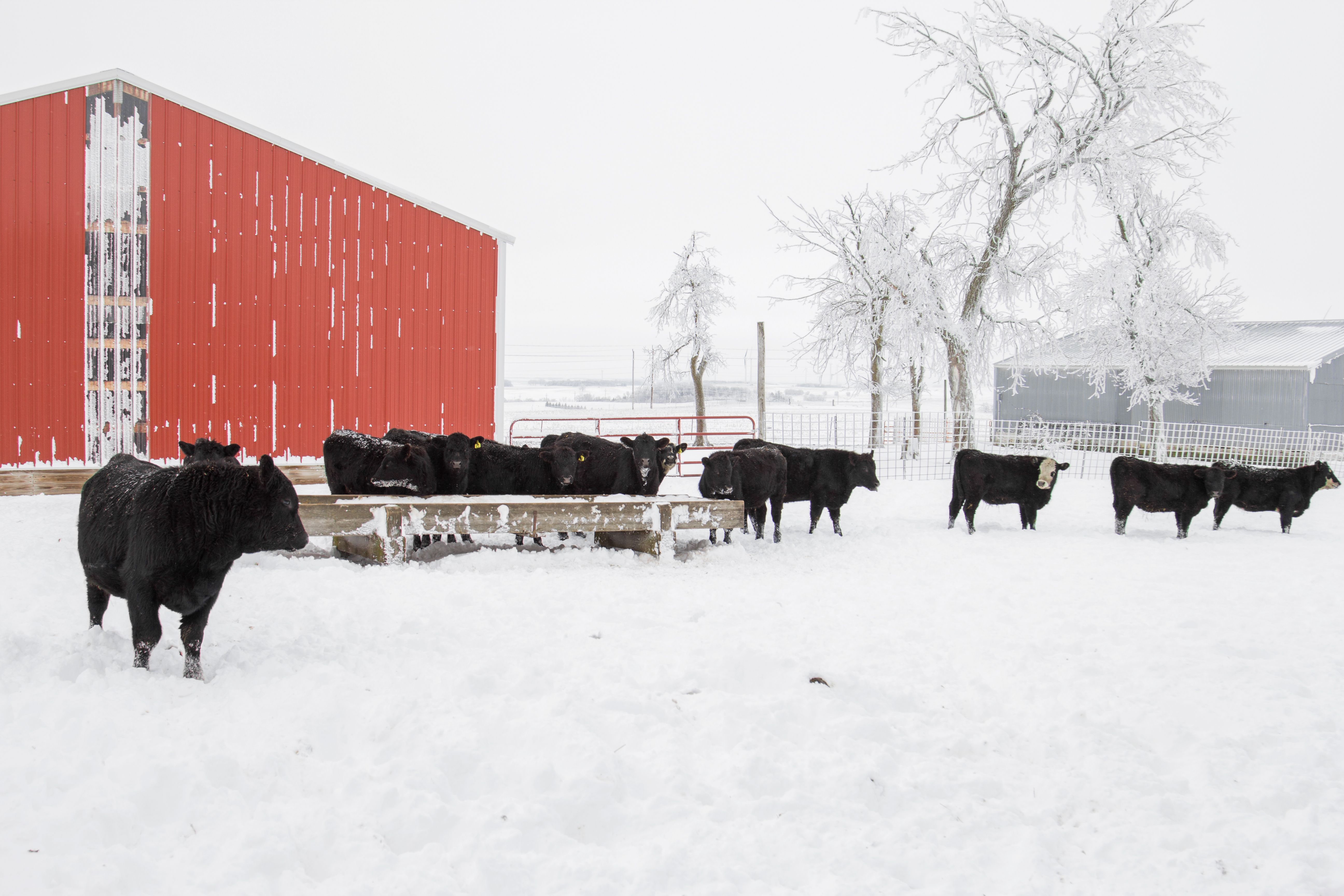
Your animals need special attention as winter approaches. Ensure they have access to fresh water at all times by using heated waterers or breaking ice regularly. Stock up on feed and hay to avoid shortages during snowstorms or supply disruptions.
Inspection of Equipment
Winterizing your barn equipment is essential. Inspect tractors, feeders, and other machinery for any necessary repairs. Store them in a sheltered area to protect them from the elements. Regular maintenance can prevent unexpected breakdowns during critical times.
Safety and Emergency Preparedness
Safety is paramount during winter. Install smoke detectors and fire extinguishers, and ensure pathways are clear of ice and snow. It’s also wise to have an emergency plan in place. Keep emergency contact numbers handy and ensure all staff are familiar with the procedures.
Reviewing Insurance and Documentation
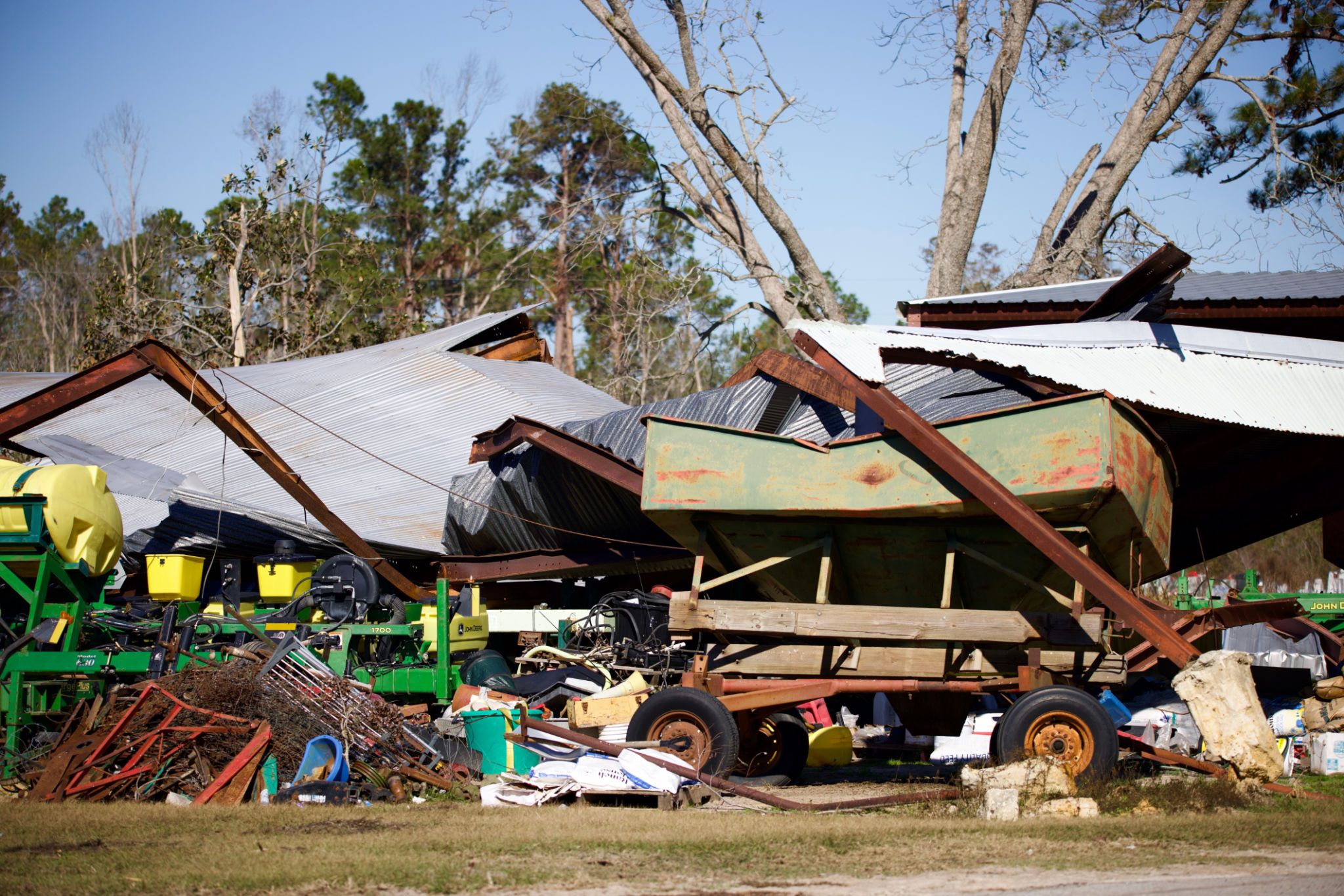
Before winter sets in, review your insurance policies and ensure they cover potential winter-related damages. Keep an inventory of all livestock and equipment, along with any important documents, in a safe, accessible place.
By taking these steps, you’ll be well-prepared to face the challenges of winter, ensuring a safe, warm environment for your animals and peace of mind for yourself.