Seasonal Barn Maintenance: Preparing Your Barn for Winter


Inspecting the Structure
As winter approaches, ensuring your barn is structurally sound is a critical first step. Begin by conducting a thorough inspection of the roof, walls, and foundation. Look for any signs of wear and tear, such as cracks, leaks, or loose boards. Addressing these issues early can prevent more significant problems once the snow and ice set in.
Roof and Gutter Maintenance
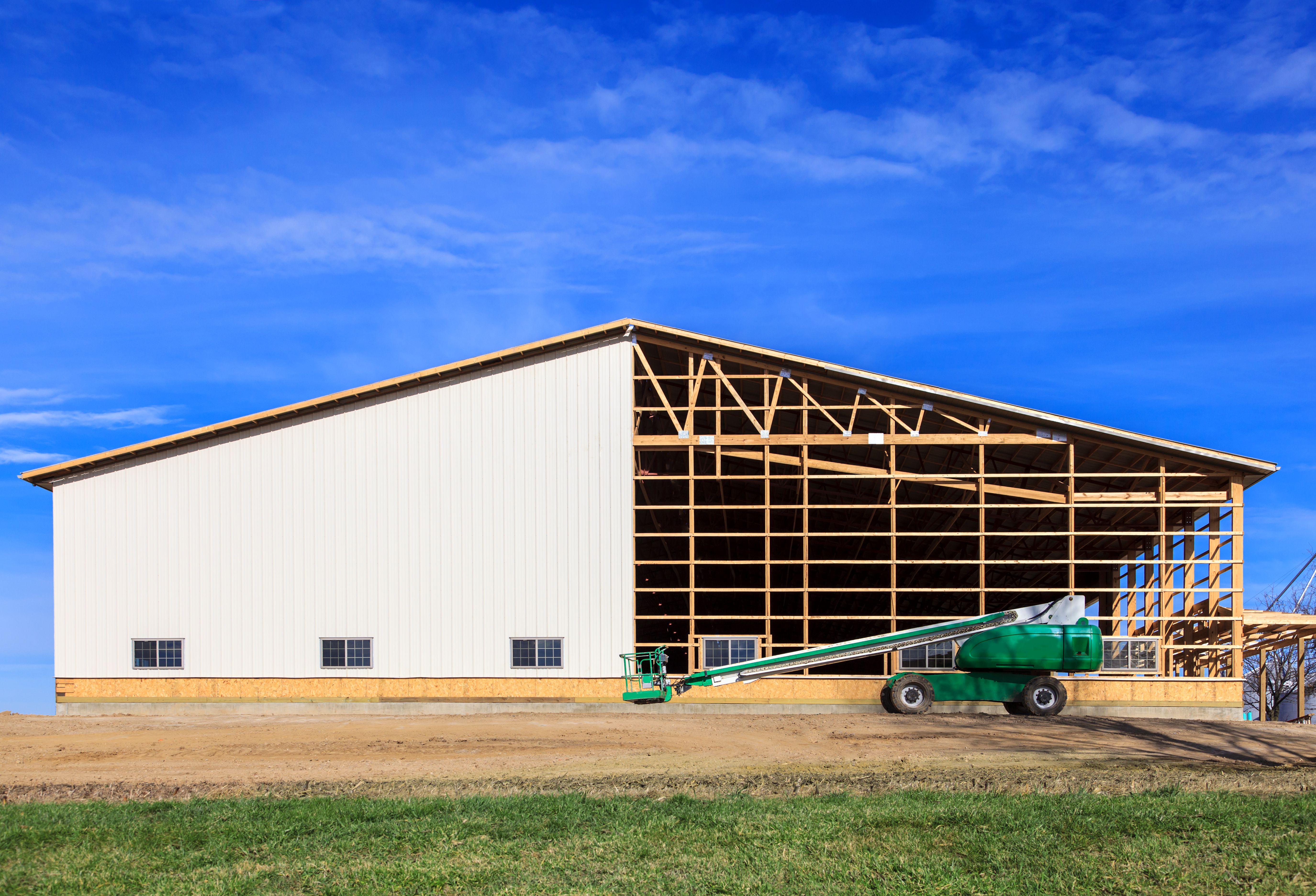
The roof is your barn's first line of defense against winter weather. Check for missing shingles or tiles and replace them promptly. Clean out gutters and downspouts to ensure proper drainage and prevent ice dams, which can lead to structural damage. Regular maintenance of these components can extend the life of your barn significantly.
Preparing the Interior
Once the exterior is secure, turn your attention to the interior. Ensure all doors and windows close securely to keep out drafts and pests. Insulating your barn can make a substantial difference in maintaining a stable temperature, which is crucial for the comfort and safety of any livestock or equipment housed inside.
Ventilation and Air Quality
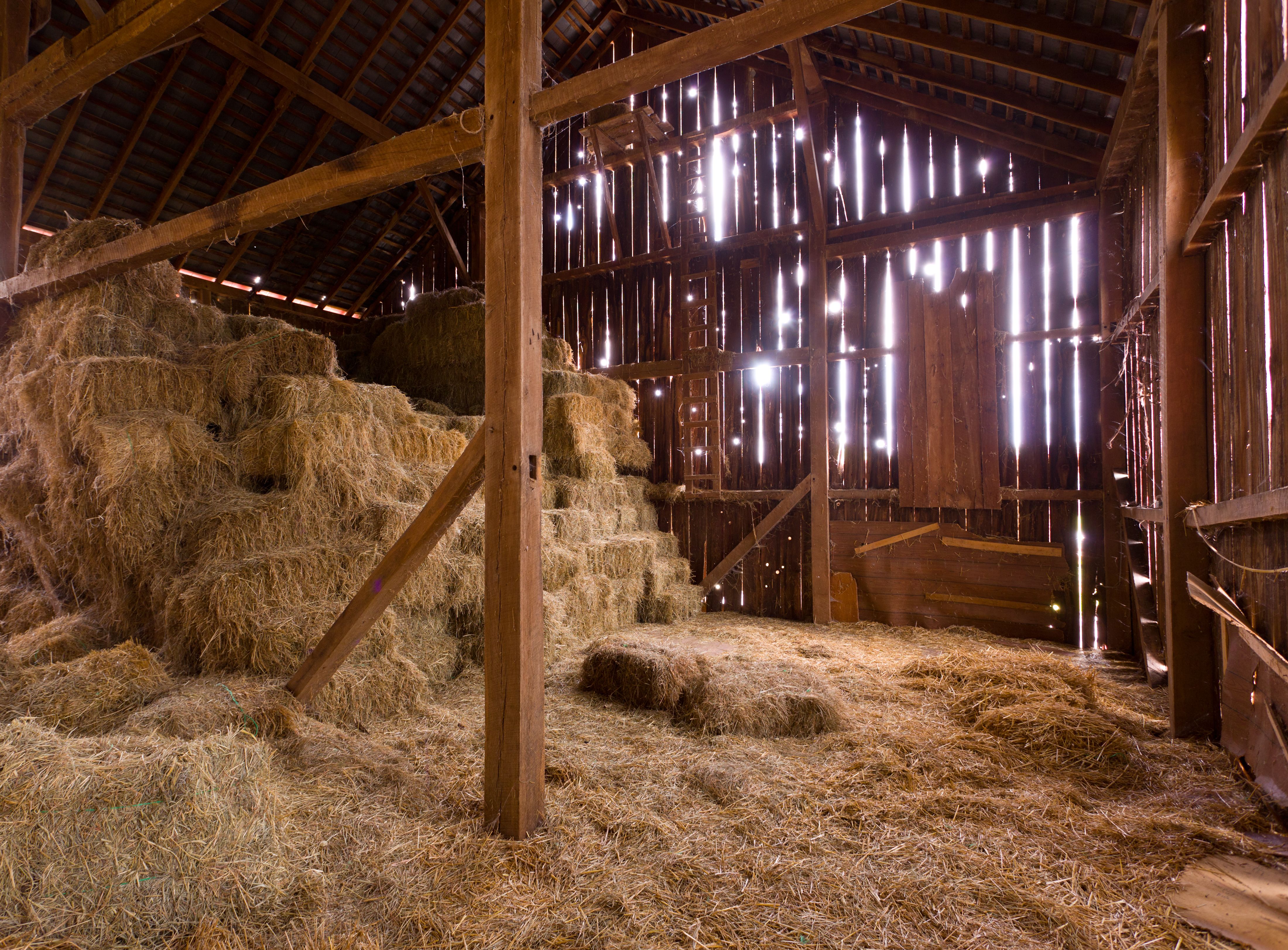
While it's essential to keep the cold air out, proper ventilation remains crucial. Good airflow prevents moisture buildup, reducing the risk of mold and mildew. Install or repair ventilation systems to maintain air quality, which is vital for the health of both animals and humans working in the barn.
Equipment and Supplies
Winterizing your equipment is another key aspect of barn maintenance. Make sure tractors, generators, and other machinery are in good working order before the cold sets in. This includes checking oil levels, antifreeze, and battery health. Store any sensitive equipment that might be damaged by cold temperatures in a warmer area of the barn.

Stocking Up on Essentials
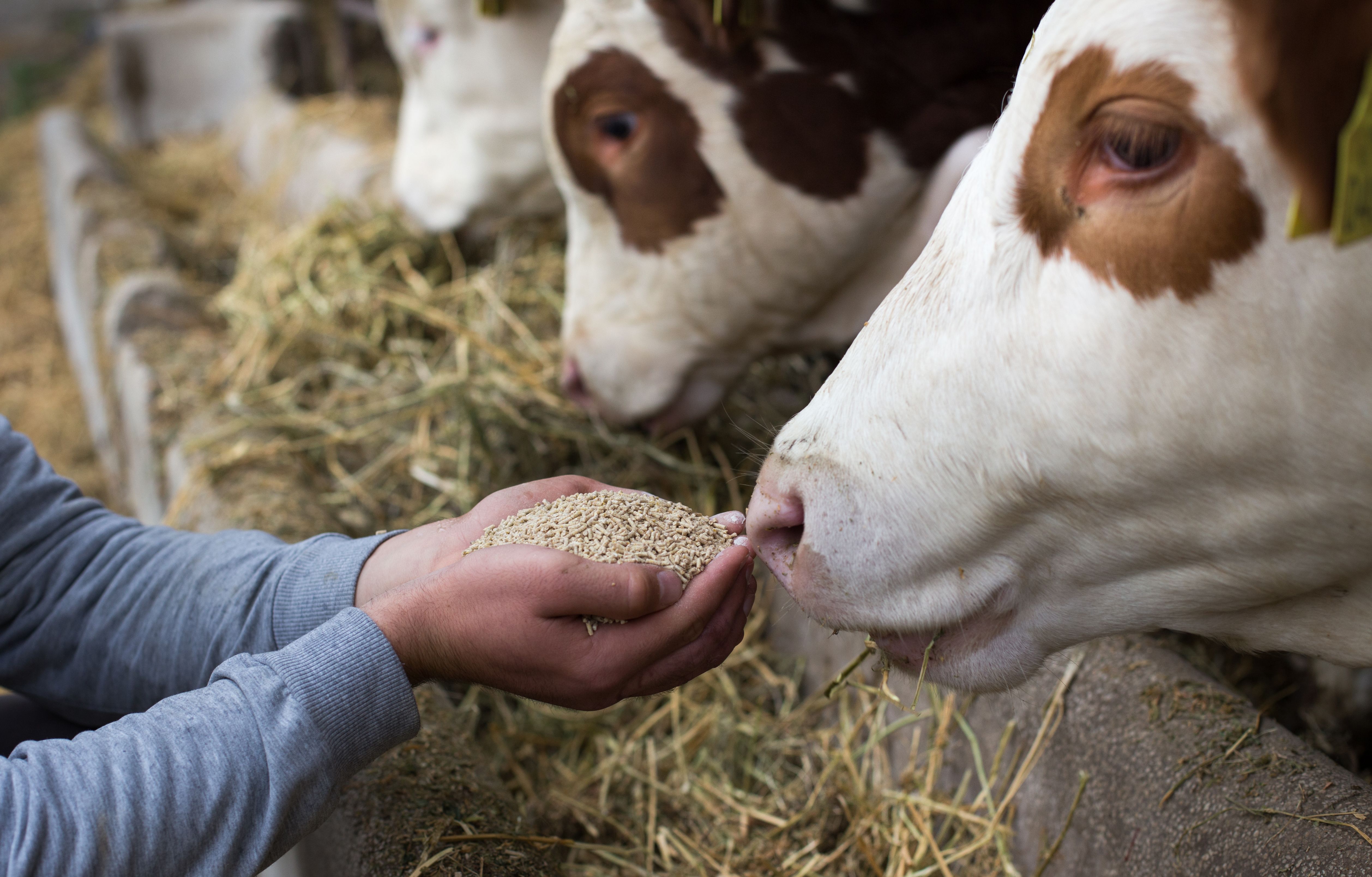
Prepare for winter by stocking up on essential supplies. This includes feed, bedding, and other items that might become difficult to access during severe weather. Having a well-stocked barn ensures you’re prepared for unexpected situations and can keep your operations running smoothly.
Animal Care Considerations
For those with livestock, special attention is required to ensure their well-being during winter. Provide adequate bedding and ensure water sources don’t freeze. Heated water troughs can be a valuable investment, preventing dehydration and encouraging regular drinking.
Monitoring and Adjusting
Finally, regular monitoring throughout the winter months is essential. Be prepared to make adjustments as necessary, whether it’s reinforcing structures after heavy snowfall or adjusting feeding routines. Flexibility and vigilance can make all the difference in maintaining a safe and productive environment.