Seasonal Guide: Preparing Your Historic Building for the Harsh Alberta Winter


Understanding the Unique Challenges of Historic Buildings
Historic buildings in Alberta are treasures of architectural heritage, but they require special care to withstand the province's harsh winters. The unique materials and construction methods used in these structures often demand a tailored approach to winterization. Preparing early is crucial to avoid damage and preserve the building's integrity.
Alberta winters are notorious for their extreme cold, heavy snow, and strong winds. These conditions can exacerbate existing vulnerabilities in older structures. Therefore, understanding the specific needs of your historic building is the first step in ensuring it remains safe and sound throughout the winter months.
Inspect and Repair the Roof
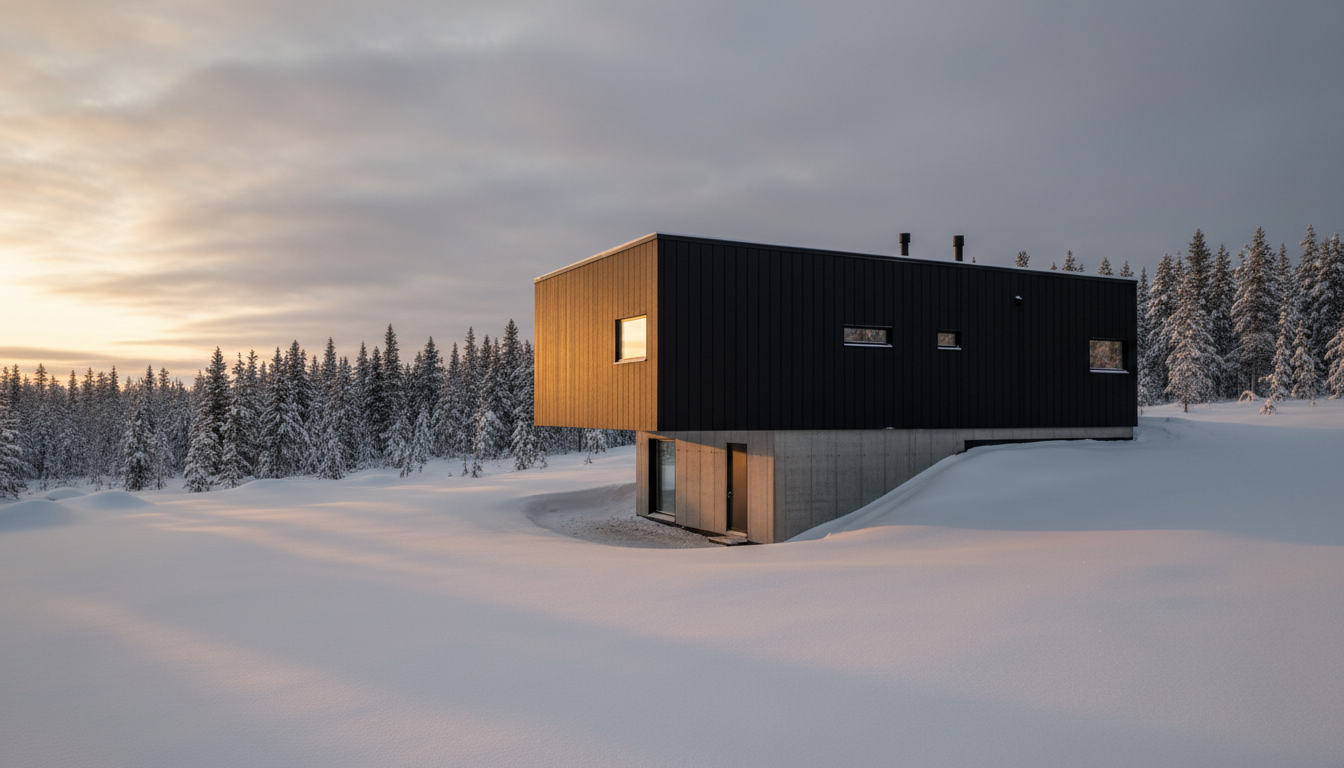
The roof is one of the most vulnerable parts of any building during winter. For historic buildings, it's essential to conduct a thorough inspection before the first snowfall. Look for missing or damaged shingles, and ensure that all flashing is intact. Repairs should be made promptly to prevent leaks and further damage.
Additionally, consider installing snow guards to prevent snow and ice from sliding off the roof. This not only protects the roof but also ensures the safety of those around the building. Proper insulation in the attic is also vital to prevent ice dams, which can cause significant water damage.
Protect Windows and Doors
Windows and doors in historic buildings often feature original glass and woodwork, which can be susceptible to drafts and heat loss. Installing storm windows or using weather stripping can help improve energy efficiency without compromising the building's character.
Regular maintenance of the window frames and sills is also important, as moisture can cause wood to rot and paint to peel. Consider applying a fresh coat of weather-resistant paint to add an extra layer of protection against the elements.
Maintain the Heating System
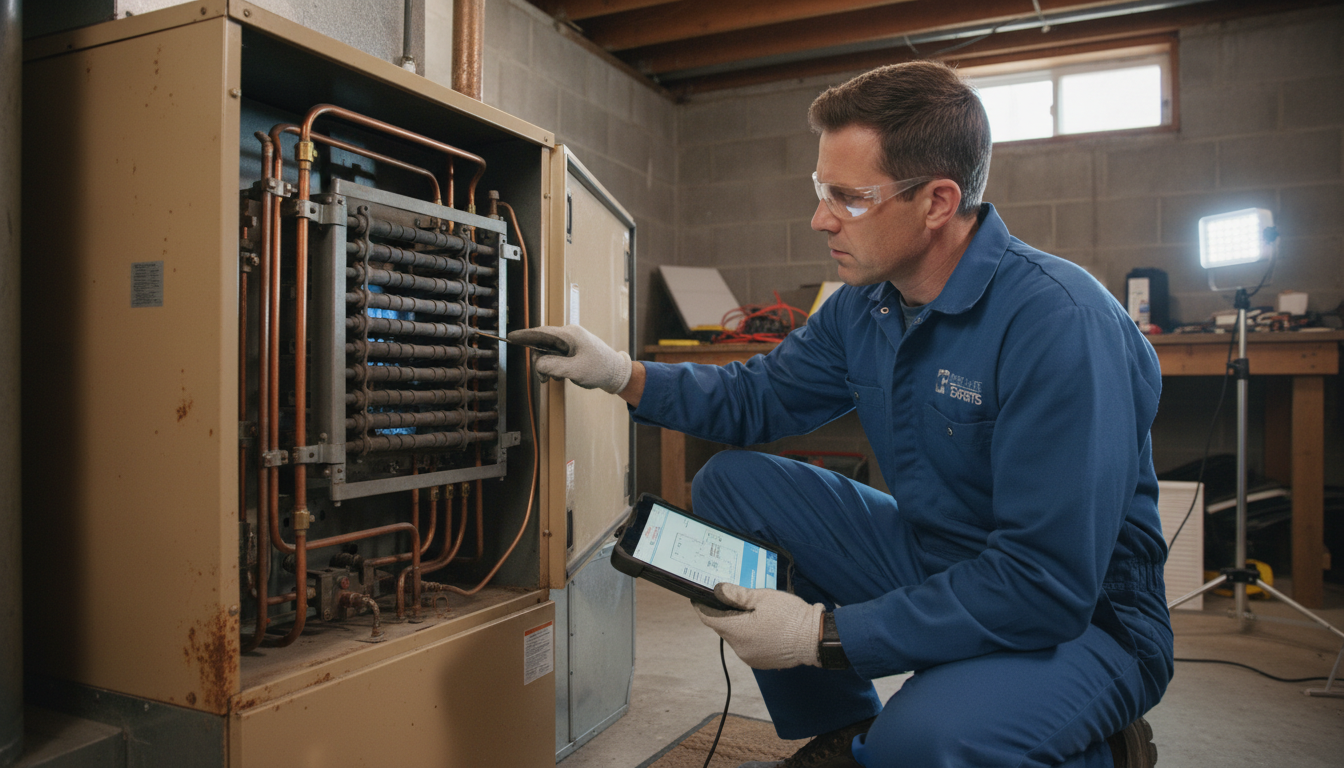
An efficient heating system is crucial for keeping a historic building warm during the winter. Ensure that your boiler or furnace is in good working order by scheduling a professional inspection and servicing before the cold sets in. Clean or replace filters regularly to promote optimal performance.
If your building uses a traditional heating system like radiators, check for any leaks or blockages. Bleeding the radiators can help improve heat distribution, ensuring that all areas of the building remain warm and comfortable.
Prevent Foundation and Basement Issues
The foundation and basement of a historic building can be particularly vulnerable to winter-related issues. Ensure that the exterior drainage system is functioning properly to direct water away from the foundation. Check for any cracks or signs of moisture, and address these problems promptly to prevent further damage.
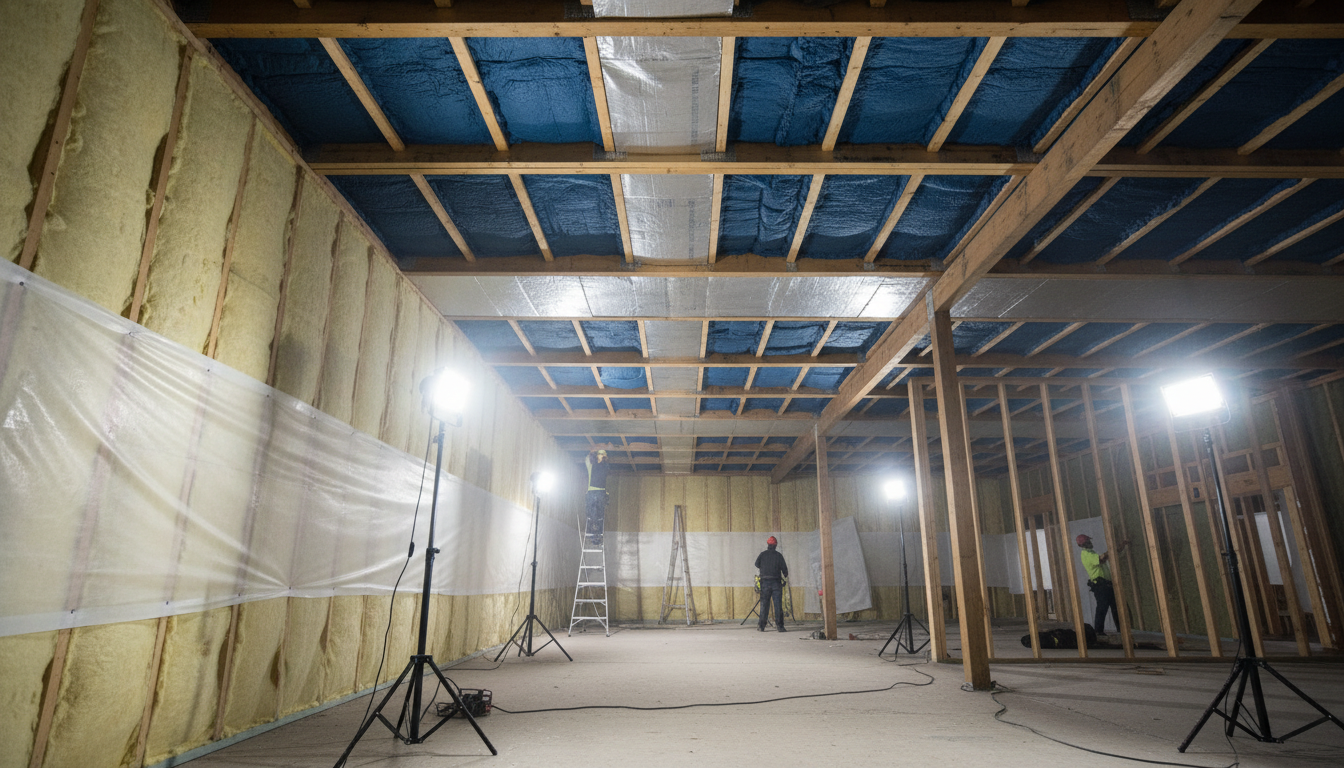
Adding insulation to basement walls can help reduce heat loss and protect plumbing from freezing. Consider using dehumidifiers to control moisture levels, as excessive dampness can lead to mold growth and structural issues.
Conclusion
Preparing a historic building for Alberta's harsh winter requires careful planning and attention to detail. By focusing on key areas such as the roof, windows, heating system, and foundation, you can help preserve the building's integrity and charm. Regular maintenance and timely repairs are essential to ensure that your historic property remains a cherished part of Alberta's architectural landscape for generations to come.