The Ultimate Guide to Eco-Friendly Materials for Barn Restoration


Introduction to Eco-Friendly Barn Restoration
Restoring a barn can be a rewarding project, blending the charm of rustic architecture with modern sustainability. Embracing eco-friendly materials not only helps the environment but also enhances the durability and aesthetic appeal of your barn.

Why Choose Eco-Friendly Materials?
Incorporating eco-friendly materials in barn restoration offers numerous benefits. These materials reduce environmental impact and often come with added durability and energy efficiency. By opting for sustainable options, you contribute to a healthier planet and preserve the barn's historical integrity.
Benefits of Eco-Friendly Materials
Eco-friendly materials often provide superior insulation, reducing energy consumption. They are also typically more durable, which means fewer replacements and repairs, saving money in the long run. Additionally, these materials can help maintain the original character of the barn while introducing modern functionality.
Types of Eco-Friendly Materials
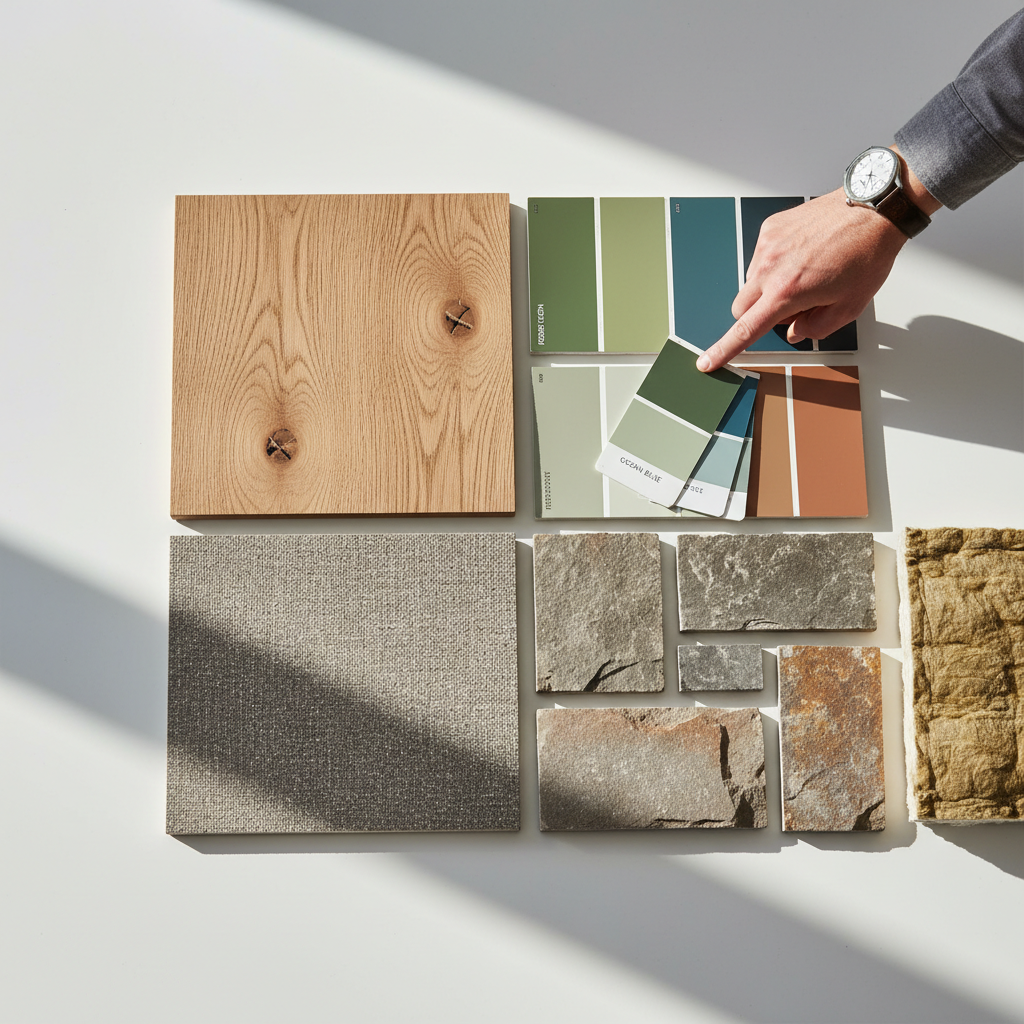
When selecting materials for barn restoration, it's essential to consider options that align with both sustainability and functionality. Here are some popular eco-friendly materials to consider:
Reclaimed Wood
Reclaimed wood is a top choice for barn restoration. It not only adds character and warmth but also reduces the demand for new lumber. This recycled material is often sourced from old structures, providing a unique story and aesthetic appeal.
- Durability: Reclaimed wood is often more robust than new wood due to its age and density.
- Versatility: It can be used for flooring, beams, and even furniture.

Bamboo
Bamboo is a rapidly renewable resource, making it an excellent choice for eco-friendly restoration. Its strength and flexibility make it suitable for various applications, from flooring to structural elements.
Natural Insulation
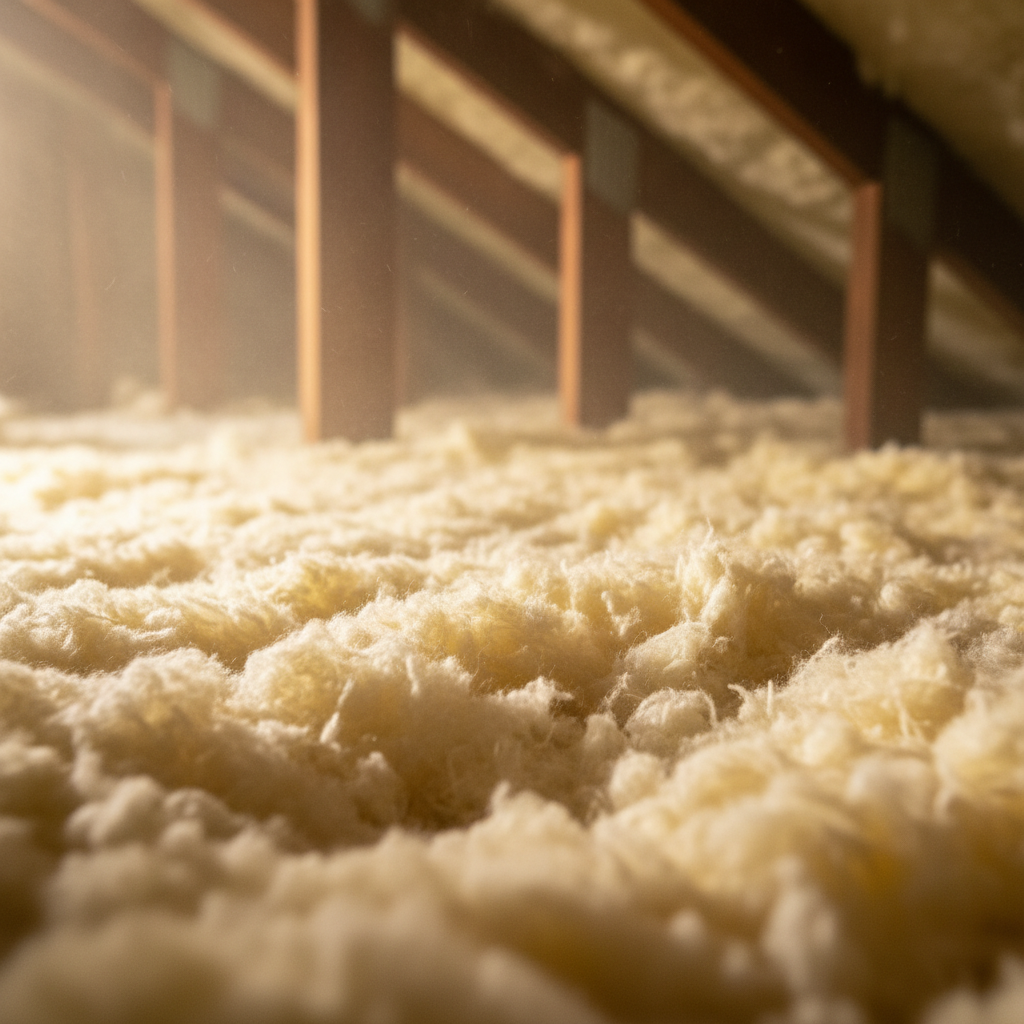
Proper insulation is crucial for energy efficiency. Choosing natural insulation materials can significantly reduce your barn's carbon footprint while maintaining a comfortable interior environment.
Cork Insulation
Cork is a sustainable material harvested from cork oak trees. It's an excellent insulator due to its natural properties and can be used in walls and ceilings to enhance energy efficiency.
- Thermal Properties: Cork provides excellent thermal and acoustic insulation.
- Biodegradable: It breaks down naturally, reducing waste.
Eco-Friendly Paints and Finishes
Conventional paints often contain harmful chemicals. Opting for eco-friendly paints and finishes can improve air quality and reduce health risks. These products are made from natural ingredients, providing a safe and sustainable alternative.
Look for paints labeled as low-VOC or zero-VOC. These paints emit fewer volatile organic compounds, ensuring a healthier environment for both workers and future barn occupants.
Conclusion
Restoring a barn with eco-friendly materials is a meaningful way to preserve history while promoting sustainability. By carefully selecting materials like reclaimed wood, bamboo, and natural insulation, you can create a functional and environmentally responsible space. As you embark on your restoration project, remember that every eco-friendly choice contributes to a healthier planet and a more sustainable future.