The Ultimate Guide to Winter-Proofing Barns in Alberta


Understanding the Importance of Winter-Proofing
Winter in Alberta can be harsh, and barns are particularly vulnerable to the cold, snow, and wind. Proper winter-proofing not only protects your livestock and equipment but also extends the lifespan of the barn itself. Ensuring your barn is ready for winter is essential for maintaining a safe and efficient agricultural operation.
Insulating Your Barn
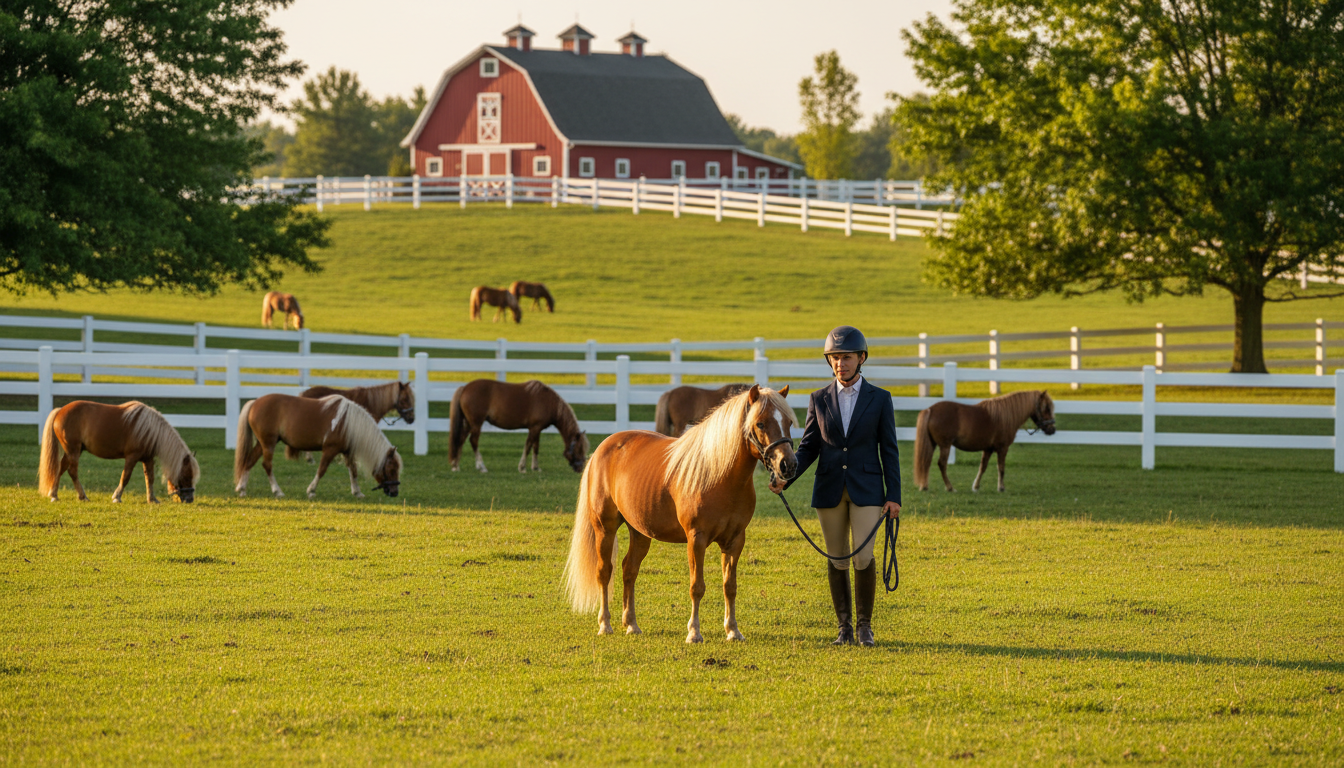
One of the most crucial steps in winter-proofing your barn is insulation. Proper insulation helps maintain a stable temperature, reducing energy costs and protecting animals from extreme cold. Consider using spray foam or fiberglass batts, as they are effective and relatively easy to install.
Focus on insulating the walls, ceilings, and any other areas where heat loss is significant. Pay special attention to doors and windows, as these are common points where cold air can seep in.
Sealing Drafts and Gaps
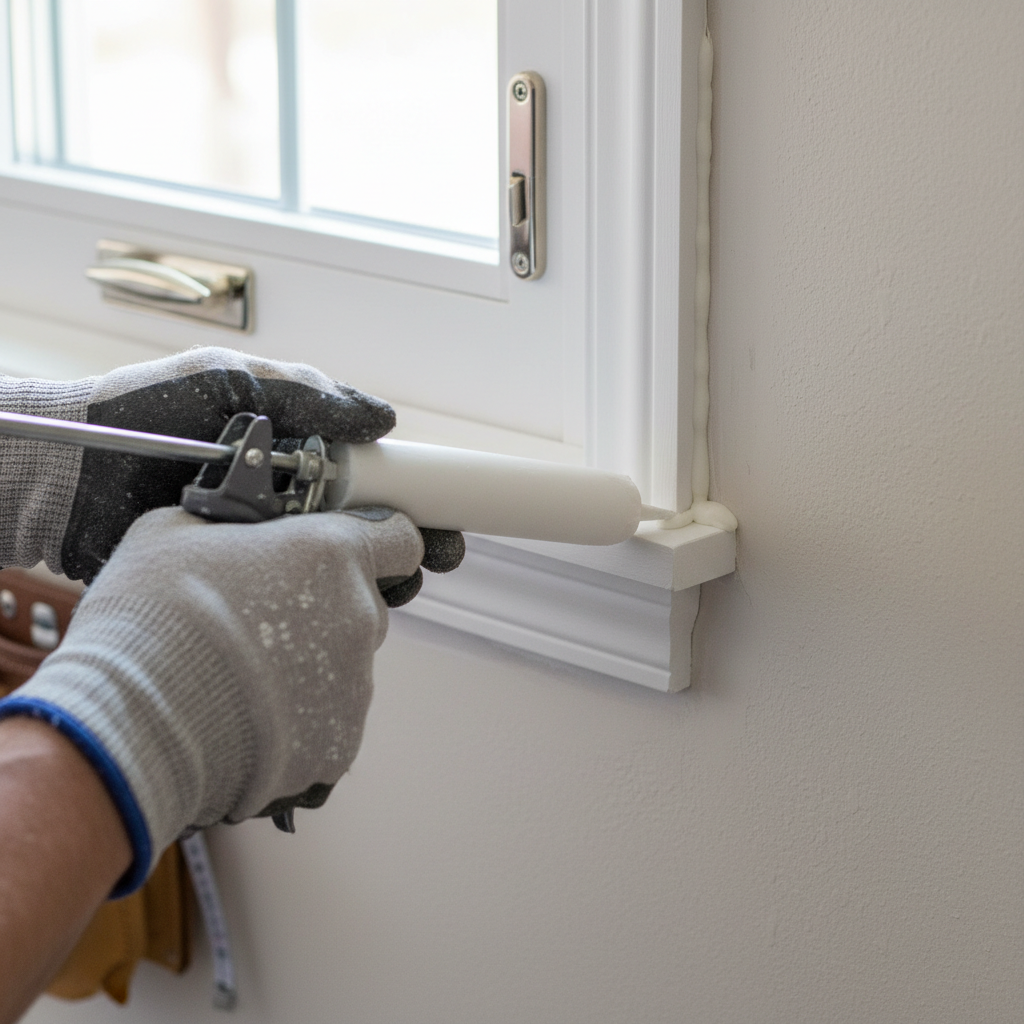
Drafts can significantly undermine the insulation efforts. Examine your barn for gaps around windows, doors, and any structural joints. Use weather stripping or caulk to seal these areas. This simple step can make a substantial difference in maintaining a warm environment inside the barn.
Heating Solutions for Barns
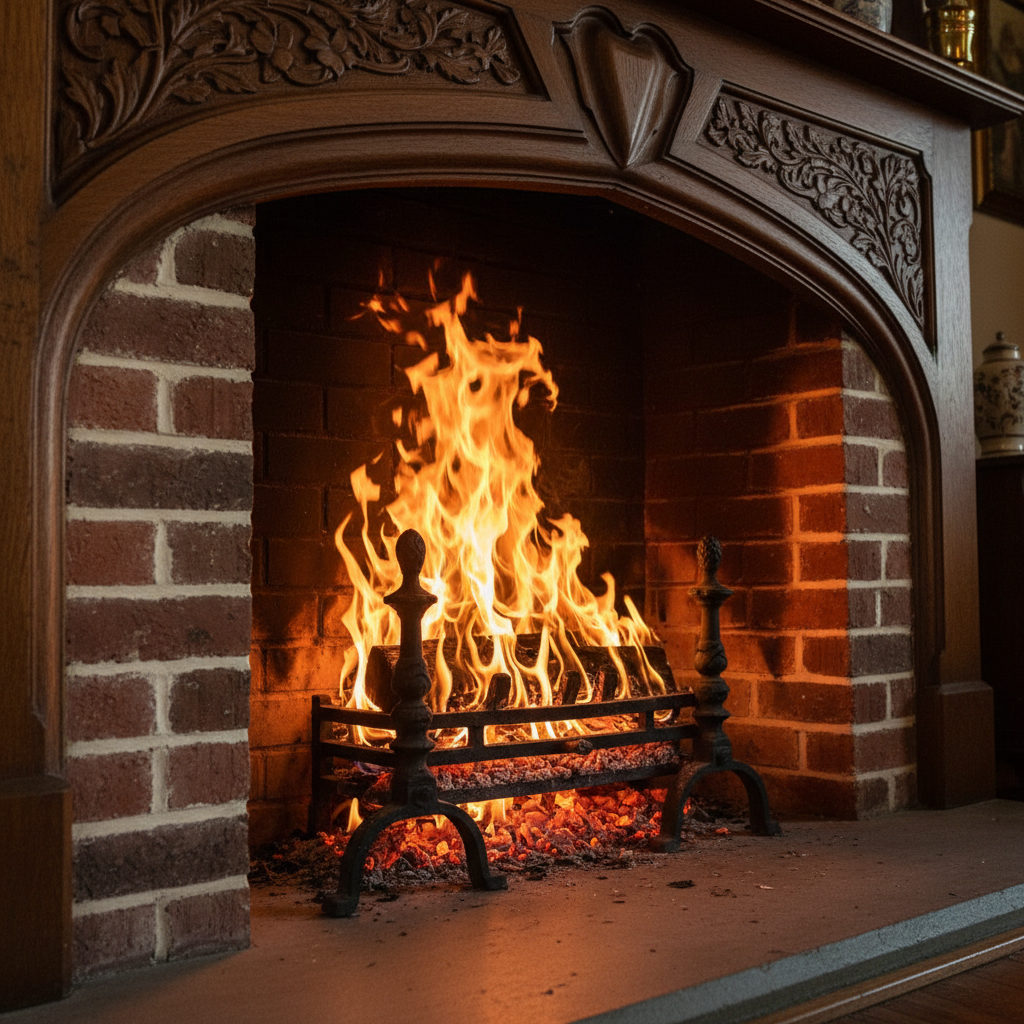
Depending on the size and purpose of your barn, you may need to install a heating system. Options range from portable heaters to more permanent solutions like radiant floor heating. Consider the needs of your livestock and the layout of your barn when selecting a heating system.
Ensure that any heating equipment is safe and regularly maintained to prevent fire hazards. Always follow manufacturer guidelines for installation and use.
Managing Snow and Ice
Snow and ice accumulation can be problematic, particularly on roofs and pathways. Regularly clear snow from the roof to prevent structural damage due to excess weight. For pathways, use salt or sand to reduce ice and provide traction.
Install snow guards on the roof to prevent snow from sliding off suddenly, which can be dangerous for both people and animals below.
Ventilation Considerations
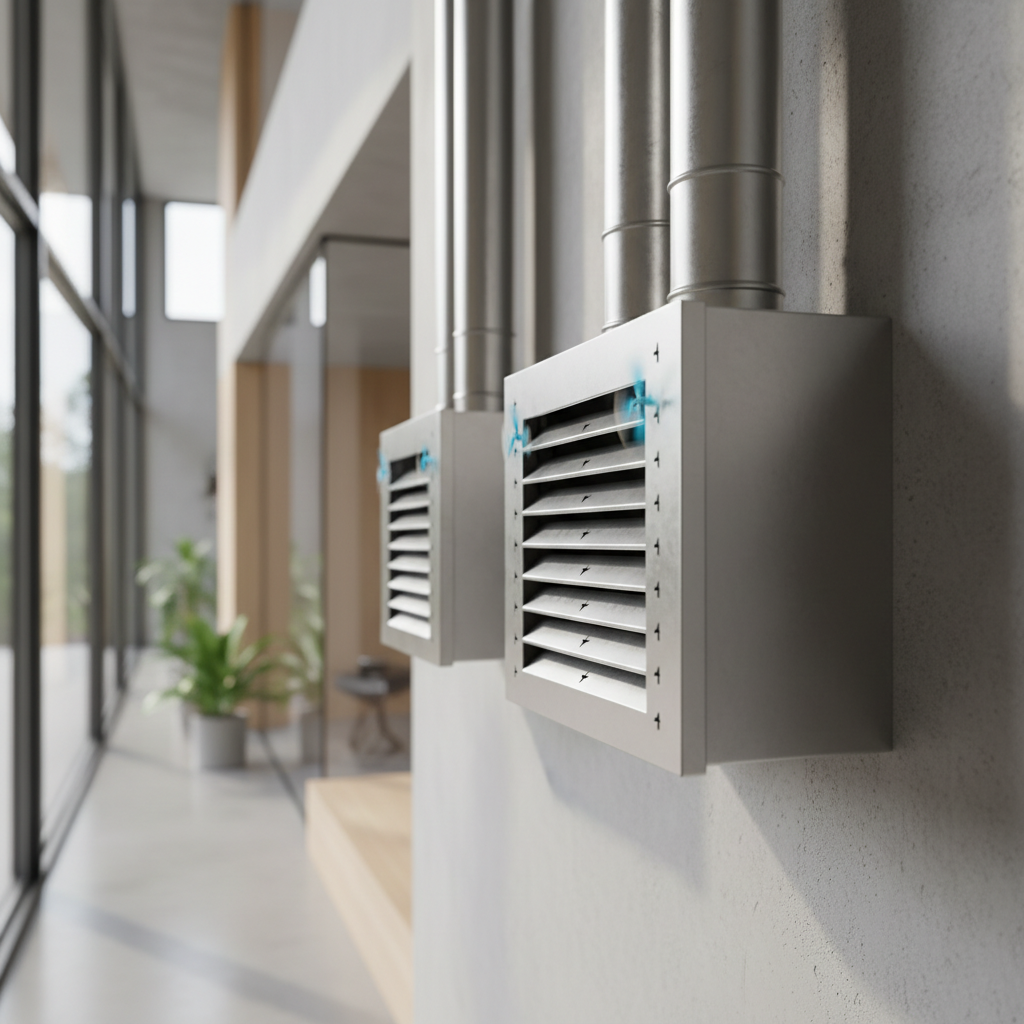
While keeping the barn warm is important, proper ventilation is equally crucial. Good ventilation prevents moisture buildup, which can lead to mold and mildew. It also ensures a constant supply of fresh air, which is vital for animal health.
Install vents or fans to promote air circulation, but ensure they are positioned to minimize heat loss.
Protecting Water Sources
Frozen water can be a serious issue in winter. Ensure all water lines are insulated and consider installing heated waterers to keep water from freezing. Regularly check water lines for leaks or damage, as these can lead to freezing and burst pipes.
Final Checks and Maintenance
Before winter sets in, conduct a thorough inspection of your barn. Check the roof, walls, doors, and any equipment for signs of wear or damage. Address any issues immediately to prevent them from worsening in cold weather.
Regular maintenance throughout the winter will ensure your barn remains functional and safe. Keep a checklist of tasks to complete, and schedule regular inspections to stay on top of any potential problems.