Top Seasonal Tips for Maintaining Historic Buildings in Alberta's Climate


Understanding Alberta's Climate Challenges
Alberta's climate is known for its extremes, with cold winters and warm summers. These fluctuations can put a strain on historic buildings, making regular maintenance crucial. Understanding the specific challenges posed by this climate helps in preserving these architectural treasures.
Winter Preparations
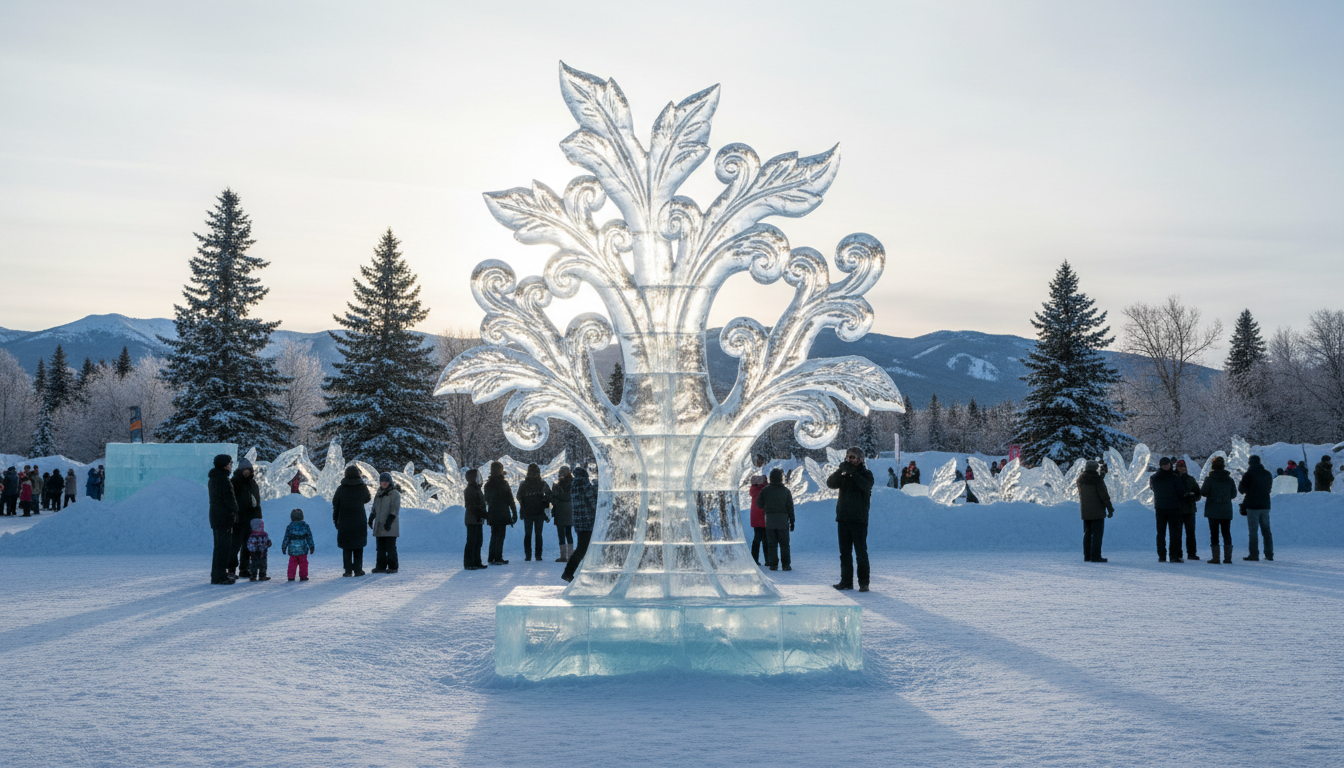
Winter in Alberta can be harsh, with freezing temperatures and heavy snowfall. It's essential to prepare historic buildings for these conditions. Key areas to focus on include:
- Insulation: Ensure that walls, attics, and basements are well-insulated to prevent heat loss.
- Roof Maintenance: Check for leaks and ensure that gutters and downspouts are clear to prevent ice dams.
- Heating Systems: Regularly service heating systems to ensure they are efficient and reliable.
Spring Inspections
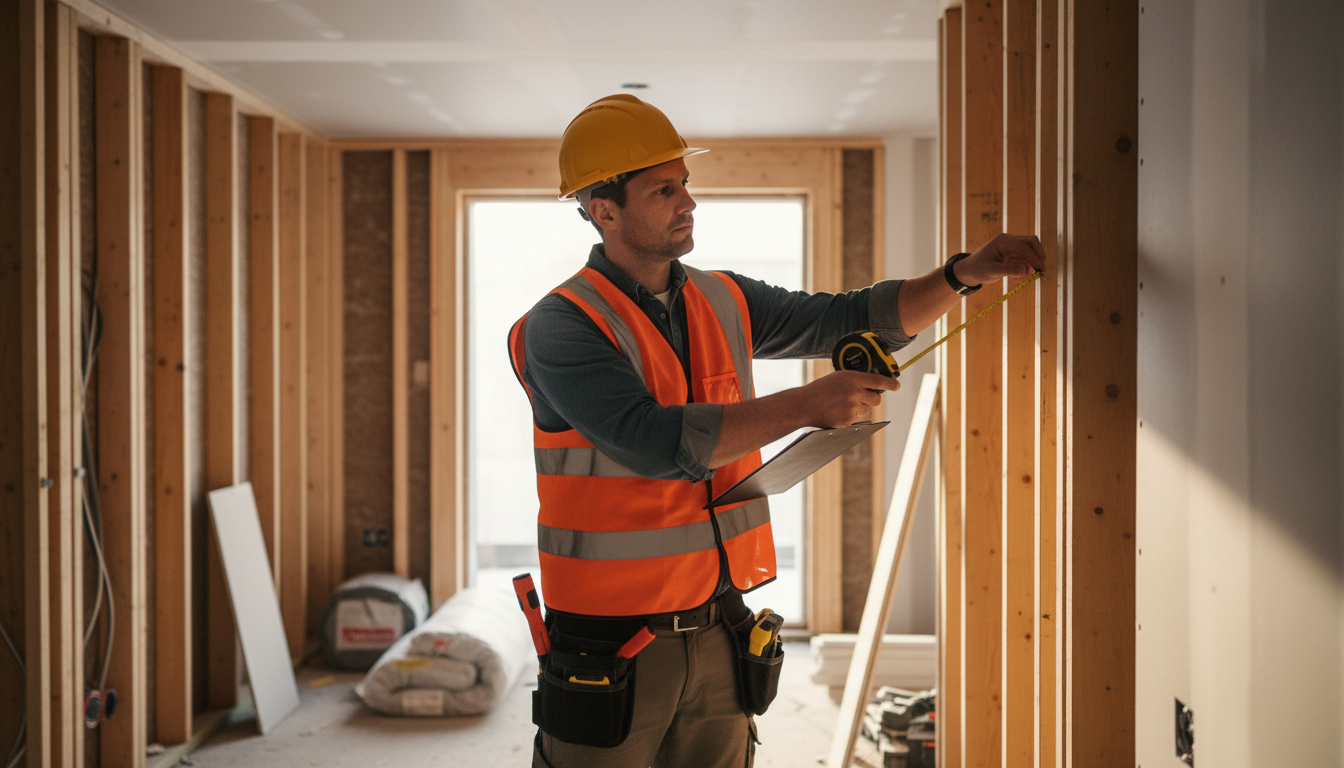
As the snow melts, spring is the perfect time to inspect your building for any winter damage. Look for signs of water infiltration, such as stains on ceilings or walls. Additionally, check for any damage to masonry or woodwork caused by the freeze-thaw cycle.
Summer Maintenance
Summer brings warmer temperatures, making it an ideal time for more extensive repairs and maintenance tasks. Focus on preserving the building's exterior by:
- Repainting: Protect wooden elements with a fresh coat of paint to prevent weathering and rot.
- Roof Repairs: Address any damage discovered during the spring inspections.
- Landscaping: Trim trees and shrubs to prevent moisture buildup and pest infestations.
Fall Preparations
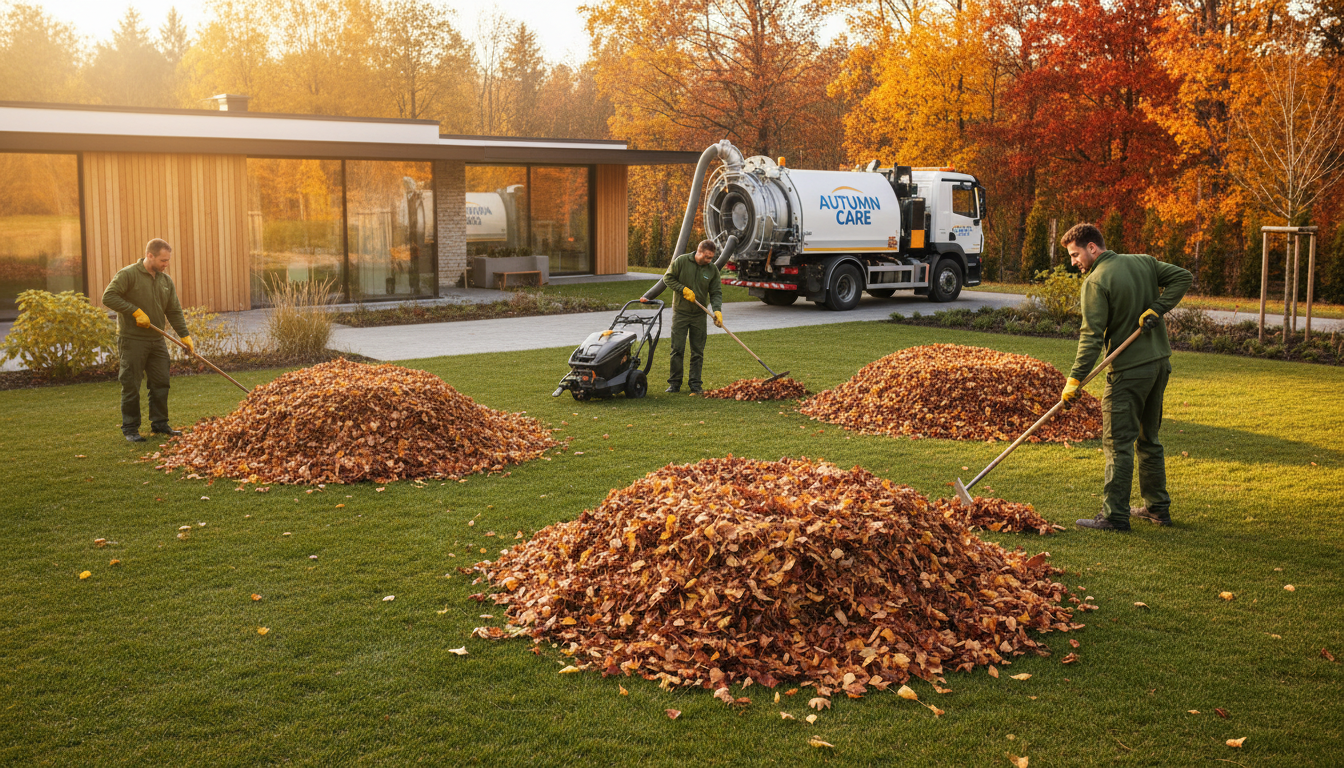
Fall is all about getting ready for the coming winter. Conduct a thorough inspection of the building's exterior and interior to ensure everything is in good condition. Pay special attention to:
- Weatherstripping: Replace worn weatherstripping around doors and windows to prevent drafts.
- Chimney Cleaning: Ensure chimneys are clean and free of obstructions.
- Drainage Systems: Clear gutters and downspouts to prevent water damage.
Preservation Techniques
Preserving historic buildings requires specialized techniques that respect the original materials and construction methods. Whenever possible, use traditional materials and methods for repairs. This not only maintains the building's historic integrity but also ensures longevity.
Engaging Professionals
While some maintenance tasks can be DIY, others require professional expertise. Engaging professionals who specialize in historic buildings ensures that repairs are done correctly and in keeping with preservation standards. This investment can save money in the long run by preventing further damage.
Community Involvement
Preserving historic buildings is often a community effort. Engaging the local community in preservation projects can raise awareness and support. Consider organizing events or workshops to educate residents about the importance of maintaining these cultural landmarks.

Conclusion
Maintaining historic buildings in Alberta's challenging climate requires diligence and care. By following these seasonal tips and engaging with professionals and the community, you can ensure these architectural treasures stand the test of time. With the right approach, we can preserve our heritage for future generations.