Trends in Historic Building Restorations: Innovations in Western Canada


Preserving Heritage with Modern Techniques
Western Canada is home to a rich tapestry of historic buildings, each telling a unique story of the past. In recent years, the restoration of these buildings has seen a surge in innovative techniques that blend history with cutting-edge technology. This trend is not only preserving the architectural legacy but also enhancing it for future generations.
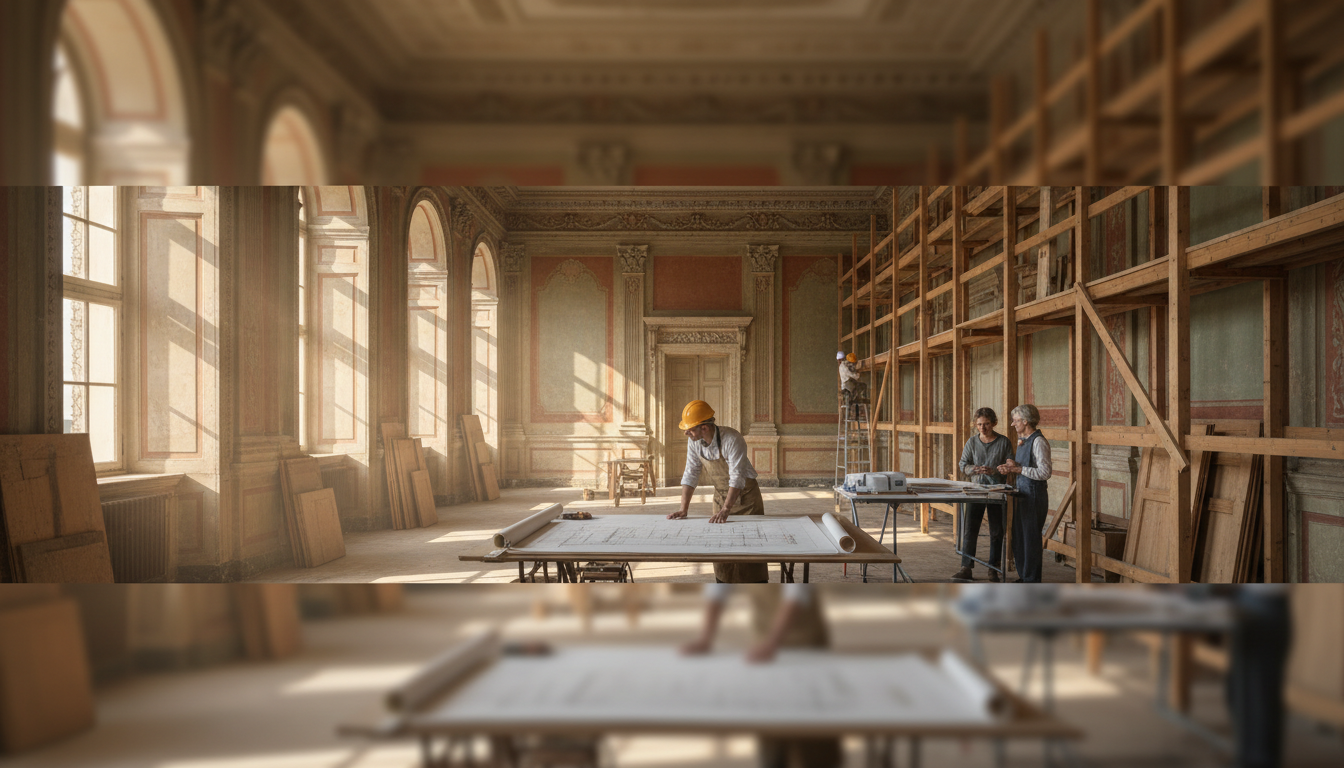
One notable trend is the use of 3D scanning technology. This allows restoration experts to capture detailed images of structures, ensuring that every intricate detail is documented. By using these scans, restorers can create precise replicas of damaged components, maintaining the building's original aesthetic.
Eco-Friendly Restoration Practices
As sustainability becomes increasingly important, eco-friendly restoration practices are gaining traction. Many projects now focus on using recycled materials and incorporating energy-efficient systems. This not only reduces the environmental impact but also lowers the long-term operating costs of these historic structures.
Additionally, the integration of green roofs and solar panels is becoming more common. These innovations provide modern functionality while respecting the historical integrity of the buildings, creating a harmonious blend of old and new.
Community Involvement and Education
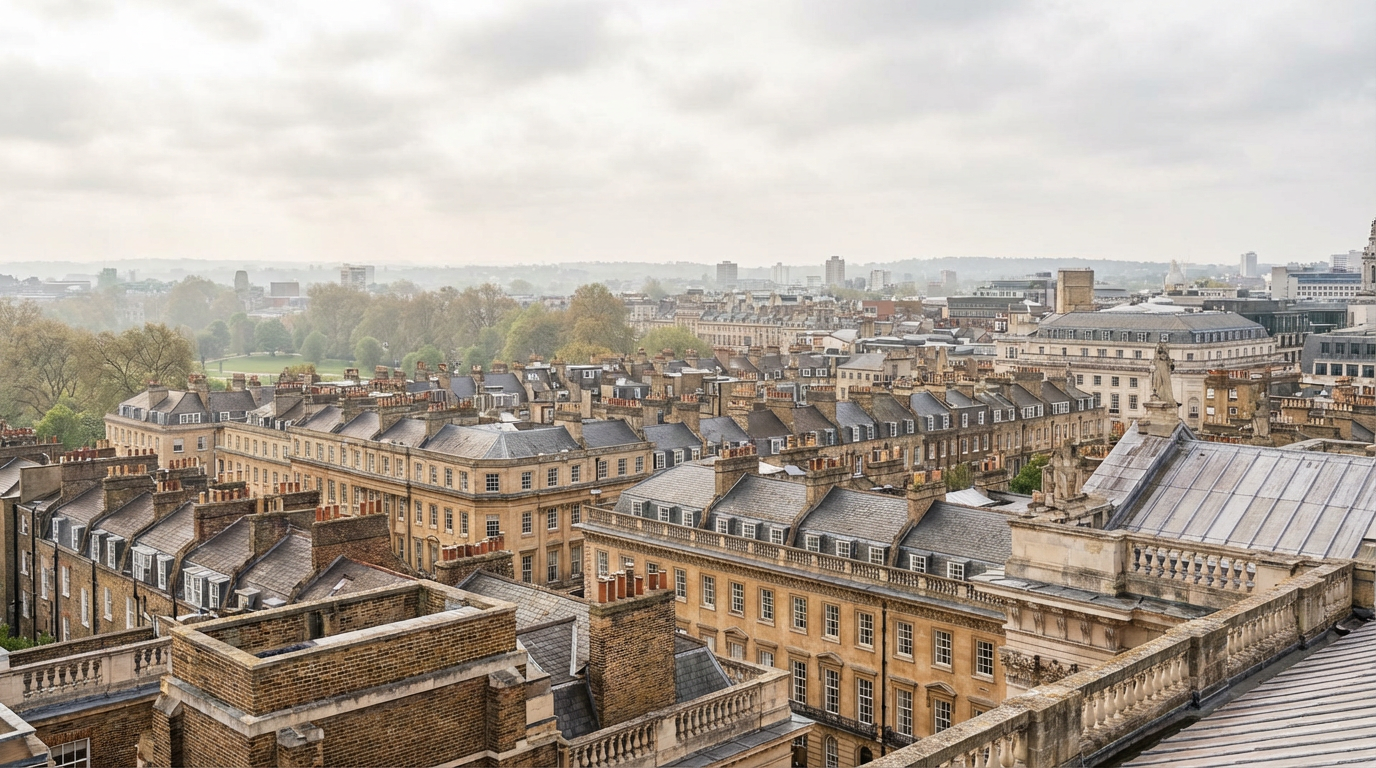
Community involvement plays a crucial role in the restoration of historic buildings. Projects often include educational programs that engage local residents and raise awareness about the importance of preserving cultural heritage. This approach fosters a sense of ownership and pride within the community.
Workshops, tours, and seminars are frequently organized to educate the public about the restoration process. These initiatives not only inform but also inspire the next generation of architects and conservationists.

Adapting to Modern Needs
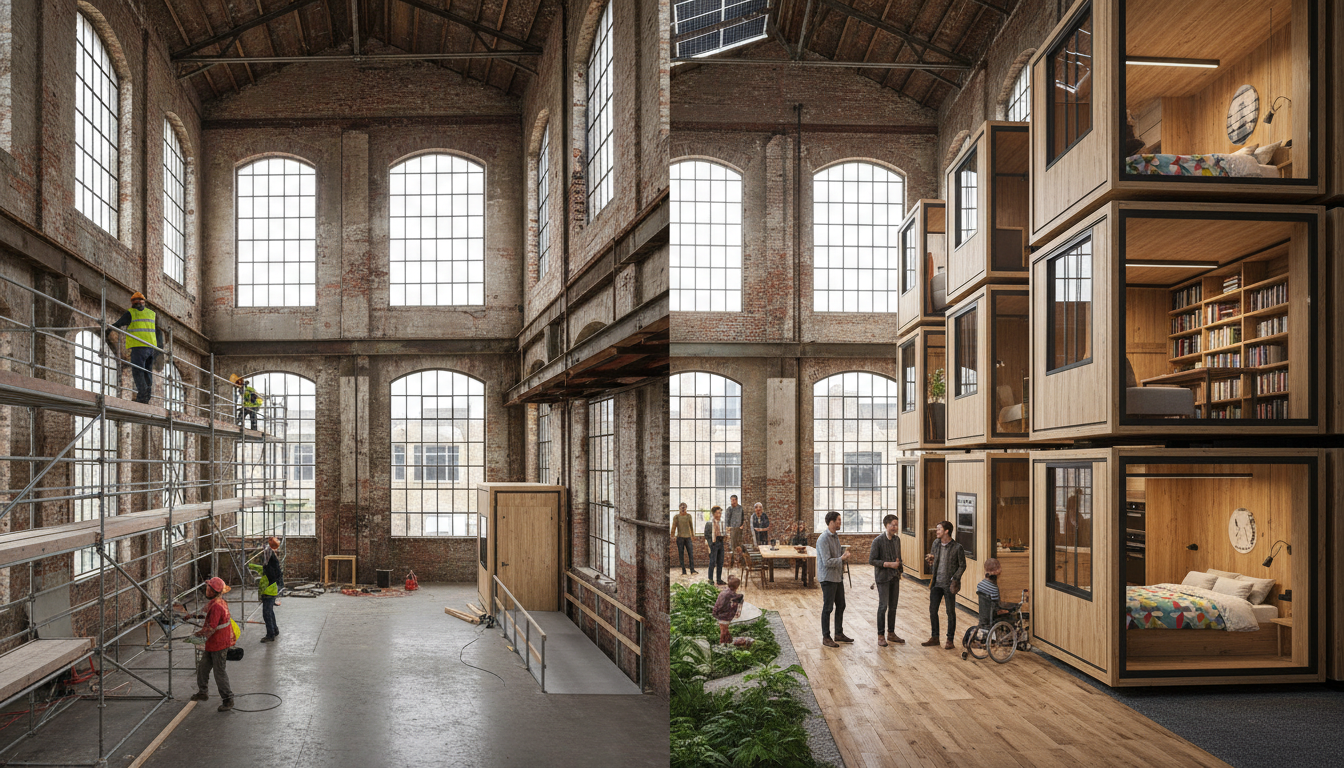
The balance between historical preservation and modern functionality is a delicate one. Many restored buildings are adapted to serve contemporary purposes, such as cultural centers, museums, or office spaces. This adaptation ensures that these structures remain relevant and economically viable.
The use of adaptive reuse strategies allows for the preservation of the building's core while integrating modern amenities. This approach respects the past while accommodating the needs of today's society.
The Future of Historic Building Restorations
Looking ahead, the future of historic building restoration in Western Canada appears promising. With advancements in technology and a growing appreciation for sustainable practices, these projects are set to continue thriving. The ongoing collaboration between architects, historians, and the community will undoubtedly lead to more innovative and successful restorations.
As we continue to explore new methods and techniques, the preservation of our architectural heritage will remain a vibrant and dynamic field, ensuring that the stories of our past are not lost but celebrated for generations to come.