Winter-Proofing Barns: Expert Tips for Alberta’s Harsh Climate


Understanding Alberta’s Winter Challenges
Alberta's winters are notorious for their harshness, with temperatures often plunging well below freezing. This extreme cold can pose significant challenges for barn owners, especially when it comes to maintaining the integrity and functionality of these structures. Proper winter-proofing is essential to protect both livestock and stored equipment from the harsh elements.
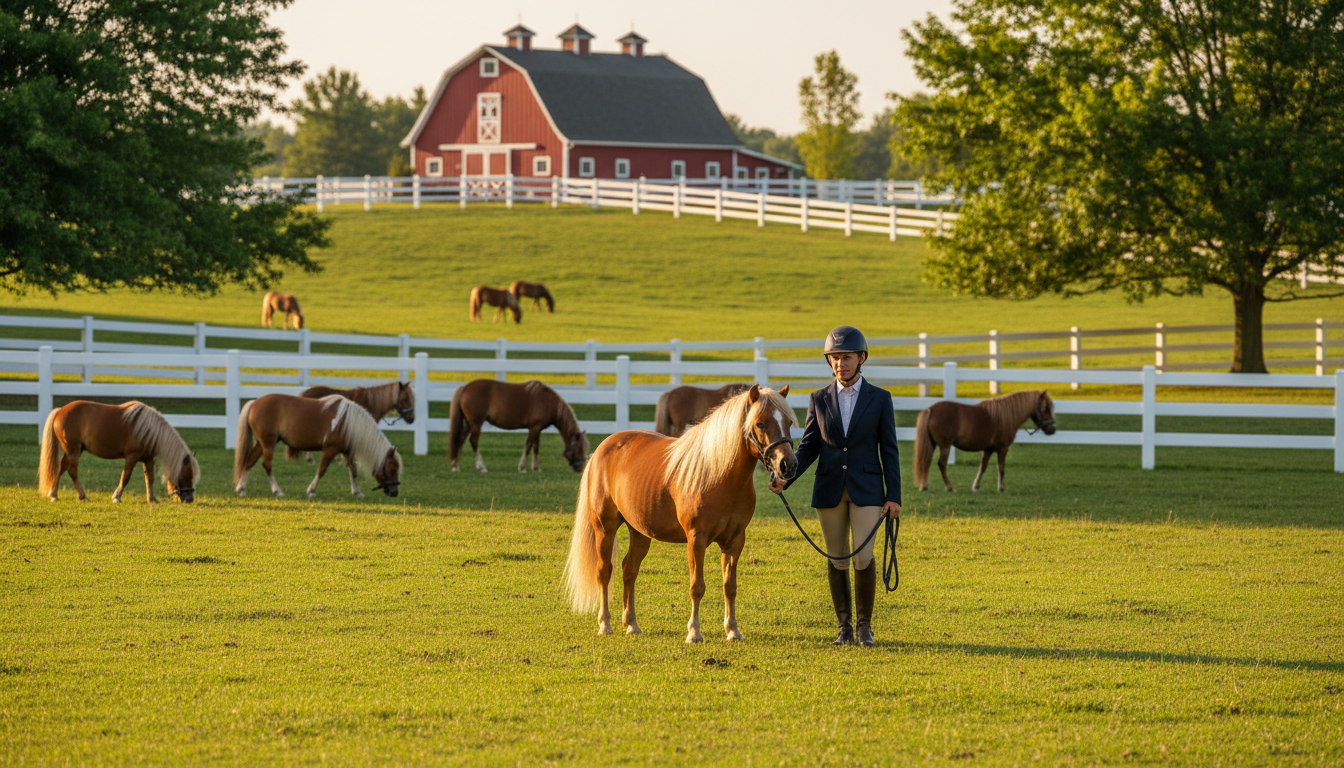
Preparation is key, and with the right strategies, you can ensure that your barn withstands the season's worst. Let's explore expert tips to winter-proof your barn and keep operations running smoothly during the harshest months.
Insulation: The First Line of Defense
Effective insulation is crucial for maintaining a stable temperature inside your barn. Without it, you risk exposing animals and equipment to extreme cold. Consider the following insulation strategies:
- Spray Foam Insulation: Provides excellent coverage and seals off air leaks.
- Batt Insulation: An economical choice, but ensure it's installed properly to avoid gaps.
- Reflective Insulation: Useful for barns with metal roofs, reflecting heat back into the space.
Insulation not only keeps the cold out but also reduces energy costs by maintaining a consistent internal environment.
Weatherproofing Doors and Windows
Doors and windows are common sources of drafts in barns. Proper weatherproofing can prevent cold air from seeping in and warm air from escaping. Here are some tips:

Install weatherstripping around doors and windows to seal gaps. Consider using heavy-duty curtains or thermal barriers for added protection. Regularly inspect these areas for wear and tear and replace materials as needed to maintain effectiveness.
Heating Solutions for Barns
While insulation and weatherproofing are critical, heating systems can provide additional warmth during extreme cold spells. Popular heating options include:
- Radiant Heaters: Efficient for spot heating and can be mounted overhead to save space.
- Forced Air Systems: Distribute heat evenly but may require more energy to operate.
- Portable Heaters: Useful for smaller barns or specific areas but should be used with caution to prevent fire hazards.
Always prioritize safety, ensuring that any heating equipment is installed and maintained according to manufacturer guidelines.
Protecting Livestock and Equipment
Beyond structural improvements, it's important to focus on the well-being of your barn's inhabitants and contents. For livestock, provide ample bedding to insulate against the cold ground and ensure adequate ventilation to prevent respiratory issues.
For equipment, consider using covers and storing items off the ground to protect them from moisture and freezing temperatures. Regular maintenance checks can help identify potential issues before they become critical problems.
Regular Maintenance and Inspections
Routine inspections are vital to catch any issues early. Check for signs of damage, such as leaks or structural weaknesses, and address them promptly. Regular maintenance not only prolongs the lifespan of your barn but also enhances its winter resilience.
By implementing these expert tips, you can effectively winter-proof your barn and ensure it remains a safe and functional space throughout Alberta’s harsh winter months. Stay proactive, and your barn will weather the storm with ease.