Winter-Proofing Barns in Alberta: Essential Tips and Techniques


Understanding the Importance of Winter-Proofing
As temperatures drop in Alberta, ensuring your barn is prepared for winter is crucial. Winter-proofing not only maintains the structural integrity of your barn but also protects livestock and stored goods from the harsh elements. By taking proactive measures, you can prevent potential damage and reduce energy costs.
Insulating the Barn
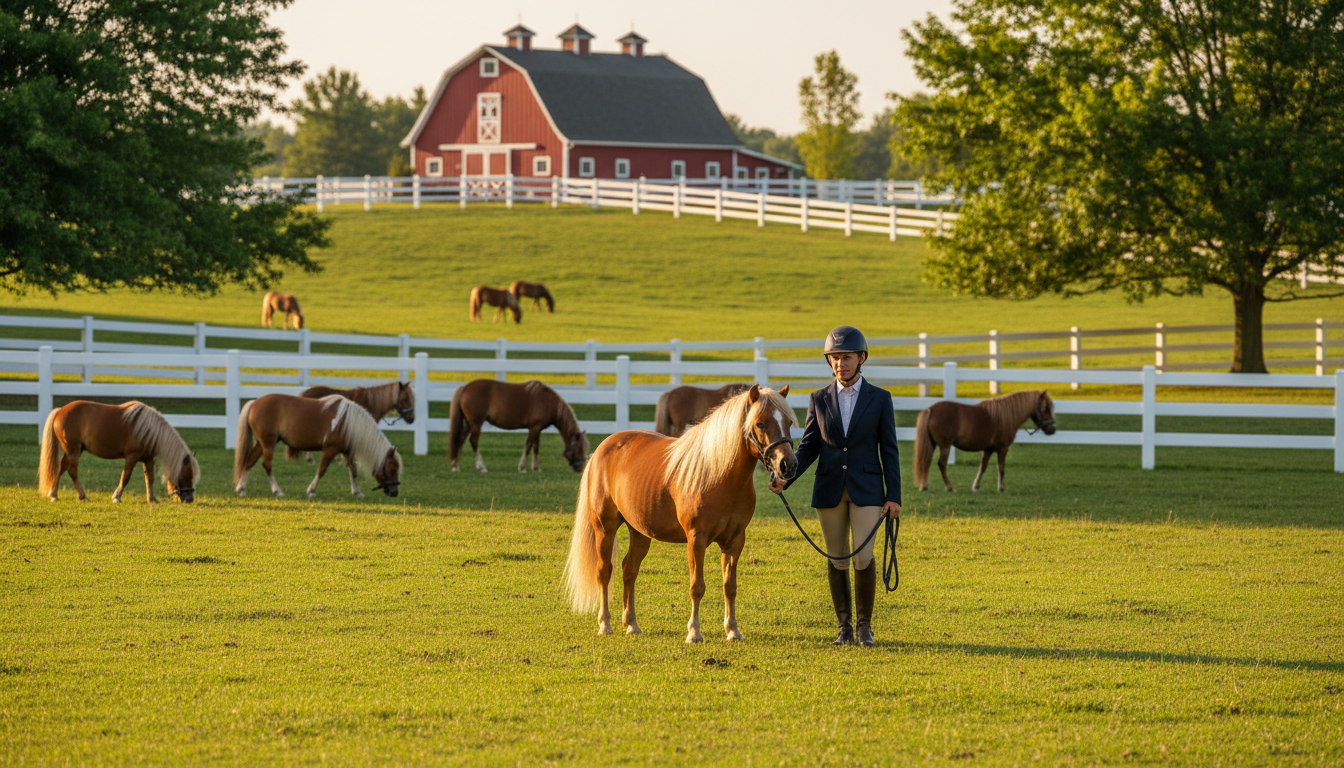
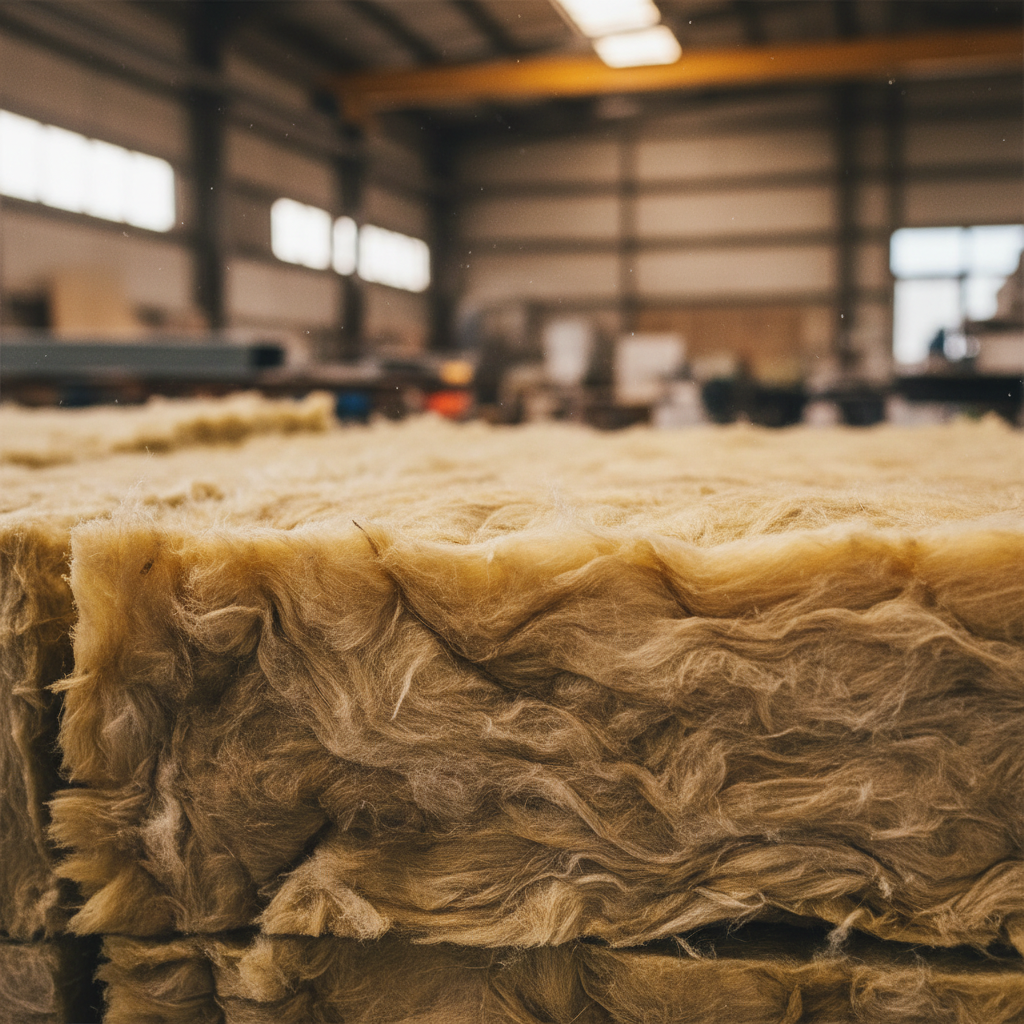
Proper insulation is a key component of winter-proofing. It helps maintain a stable temperature inside the barn, which is essential for animal health and comfort. Consider using materials like spray foam, fiberglass, or cellulose insulation for effective thermal protection. Insulating doors and windows is equally important to minimize heat loss.
Choosing the Right Insulation Material
Selecting the right insulation depends on factors such as budget, barn structure, and climate. Spray foam is highly effective but can be more expensive. Fiberglass is cost-effective and easy to install but may require additional moisture barriers. Cellulose, made from recycled materials, offers an eco-friendly option.
Sealing Gaps and Cracks
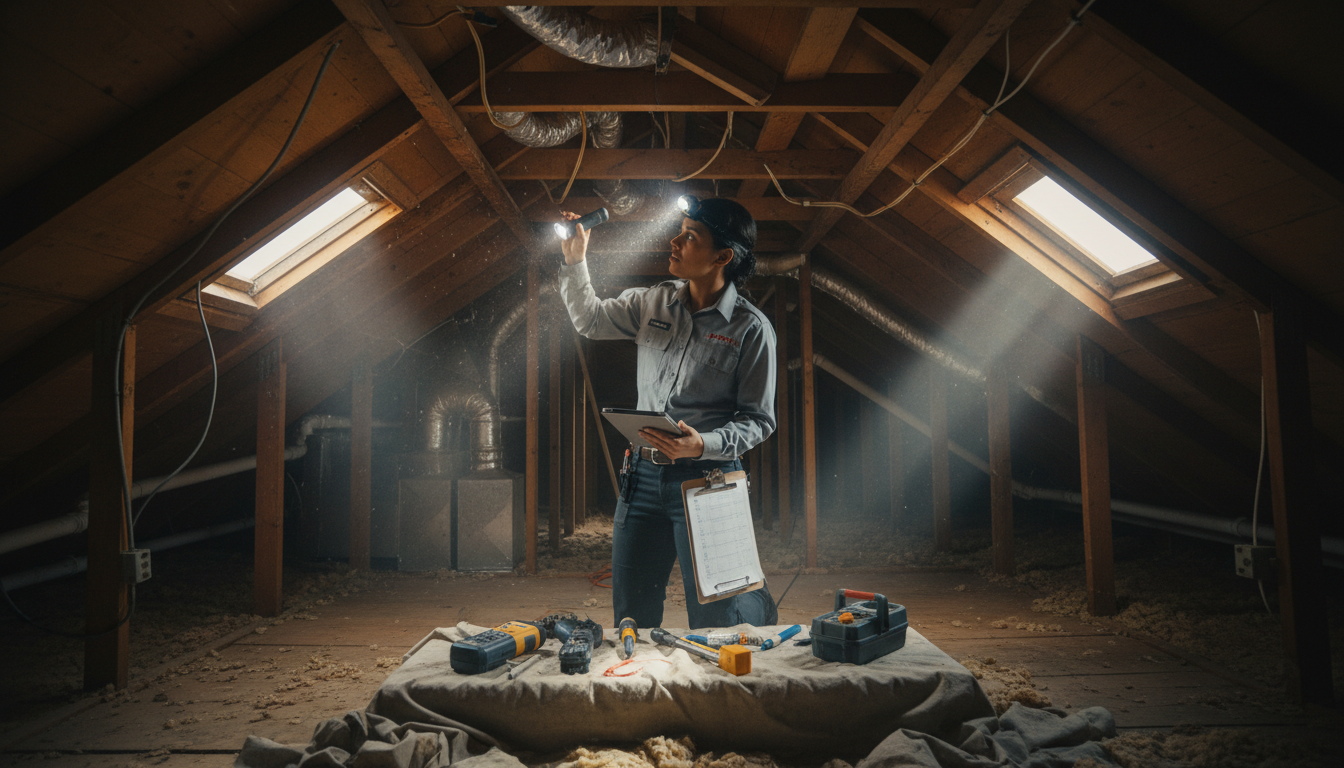
Small gaps and cracks can lead to significant heat loss and moisture infiltration. Inspect the barn thoroughly to identify any potential leaks. Use caulk or weatherstripping to seal these areas effectively. Pay particular attention to corners, door frames, and window edges.
Regular Maintenance Checks
Regular maintenance checks throughout the winter can help identify new gaps and prevent issues from escalating. Schedule periodic inspections and make repairs as needed to ensure the barn remains secure and energy-efficient.
Improving Ventilation
While sealing the barn is important, maintaining proper ventilation is equally crucial. Good airflow prevents moisture buildup, which can lead to mold and respiratory issues in animals. Install adjustable vents or fans to regulate air circulation without compromising insulation.
Balancing Insulation and Ventilation
Achieving the right balance between insulation and ventilation is key. Consider consulting with a professional to evaluate your barn's specific needs, ensuring that warmth is retained while allowing for fresh air exchange.
Protecting Water Sources
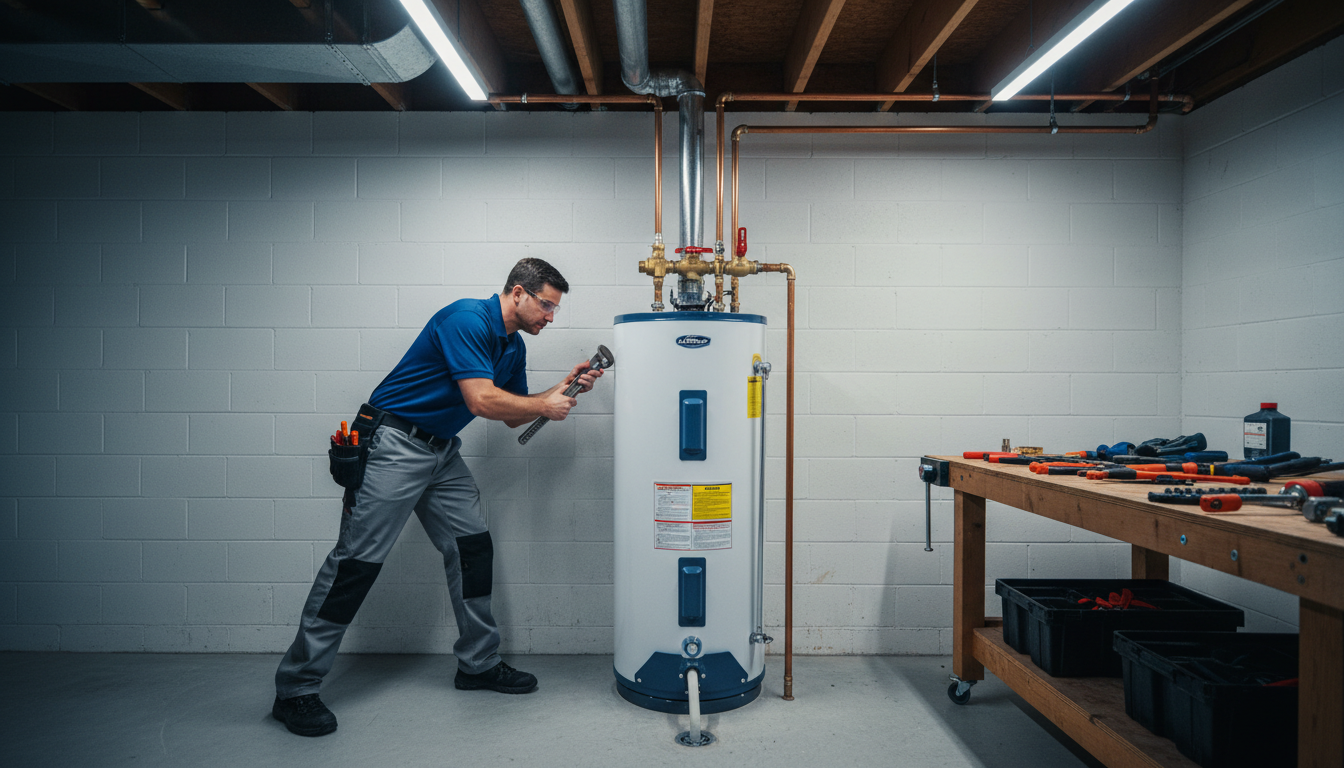
Freezing temperatures can cause water sources to freeze, disrupting access for livestock. Invest in heated water troughs or install water heaters to keep the supply flowing. Insulate pipes to prevent them from bursting during cold spells.