Winter-Proofing Barns in Alberta: Essential Tips for Cold Weather


Winter in Alberta can be harsh, with temperatures plummeting and snow piling up. For those who own barns, it's crucial to take steps to winter-proof these structures to protect livestock, equipment, and feed. Here are essential tips to ensure your barn withstands the cold weather.
Inspect and Repair the Roof
The roof is the first line of defense against snow and ice. Before winter sets in, inspect your barn's roof for any signs of damage or wear. Look for loose shingles, leaks, or weak spots that could lead to water infiltration. Repairing these issues early can prevent more significant problems later.
Consider installing a snow guard system to prevent heavy snow from sliding off suddenly, which can damage gutters and pose a risk to people and animals below.
Seal Doors and Windows
Cold air can easily enter through gaps in doors and windows, making it harder to maintain a warm environment inside the barn. Check for drafts and use weatherstripping or caulk to seal any gaps. This will help to maintain a consistent temperature and reduce heating costs.
Additionally, ensure that windows are properly insulated. If your barn has older windows, consider upgrading to double-glazed panes to improve insulation.
Ensure Proper Ventilation
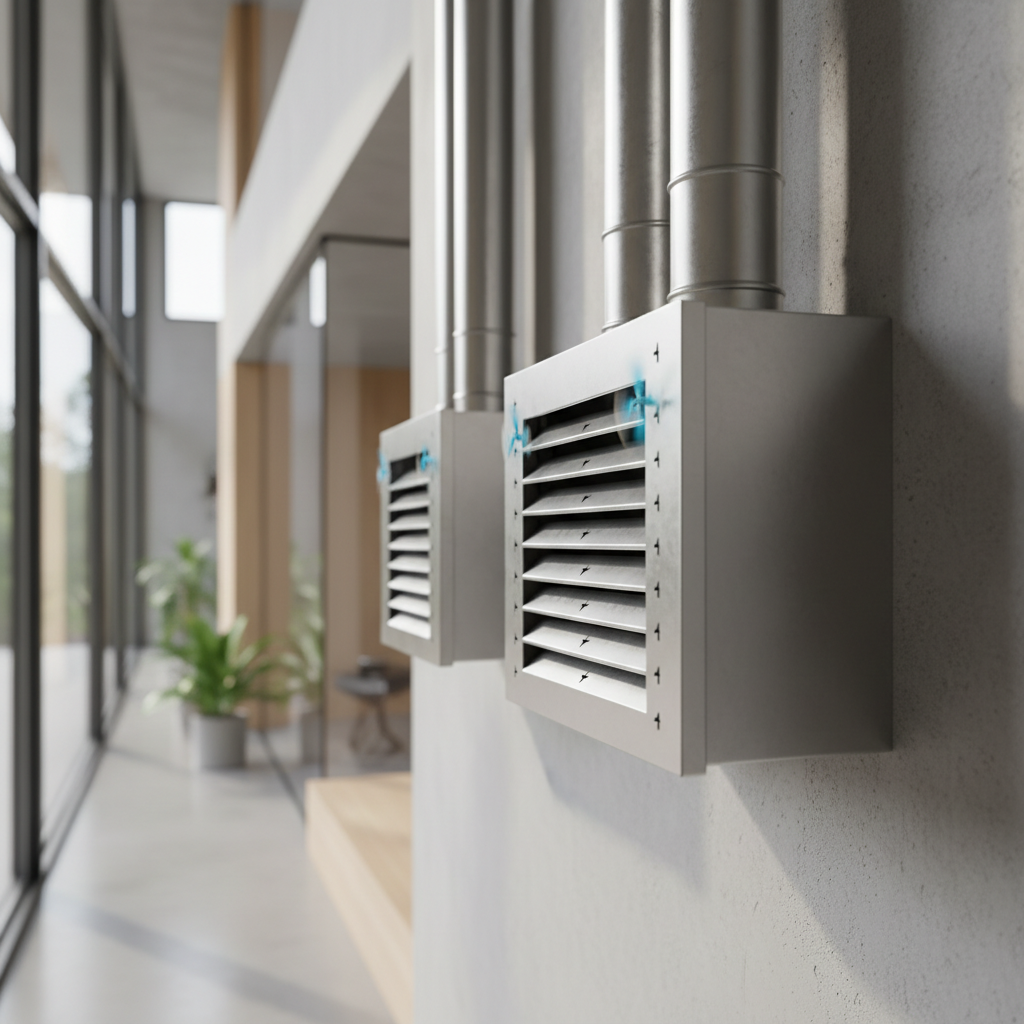
While sealing your barn is essential, proper ventilation should not be overlooked. Good airflow prevents moisture buildup, which can lead to mold and respiratory issues for animals. Install vents or fans to facilitate air circulation, but ensure they are adjustable to control the amount of cold air entering the barn.
Insulate the Barn
Insulation is key to keeping the barn warm during the frigid months. Focus on insulating walls and ceilings, as these are the most significant sources of heat loss. Use materials designed for agricultural buildings, which are often more durable and resistant to moisture.
Ensure that any insulation used is safe for animals, as they may come into contact with it. Keeping animals warm is not only about comfort but also about maintaining their health and productivity.
Prepare the Water Supply
Frozen pipes can be a major issue in winter. Insulate water lines and consider installing heated waterers or heat tape to prevent freezing. Regularly check that water sources are functioning correctly and that animals have constant access to fresh water.
Stock Up on Essentials
Winter storms can make travel difficult, so it's wise to stock up on essential supplies. Ensure you have enough feed, bedding, and medical supplies to last through extended periods of bad weather. Having a backup generator can also be crucial to keep systems running during power outages.
By following these tips, you can ensure your barn is ready to face the winter months, keeping both your livestock and equipment safe and secure.